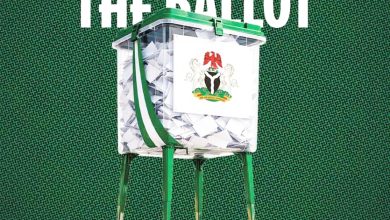
#ENDBADGOVERNANCEPROTESTINNIGERIA: Nationwide Hunger Protests Erupt Across Nigeria

By Dan Opara
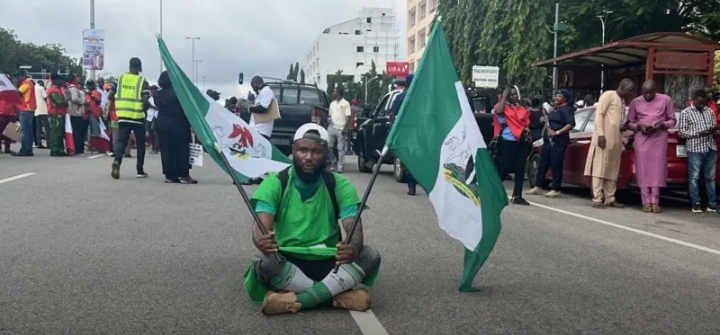
Today, Thursday, August 1st 2024, Nigerians across the country are protesting against what they describe as hunger and bad governance.
Security agencies are deployed in various locations to ensure the safety of lives and property during these demonstrations.
Despite government pleas for restraint, citizens have taken to the streets, decrying the skyrocketing prices of food, petrol, electricity, and other essentials.
The protests are underway in cities such as Lagos, Abuja, Port Harcourt, and other regions, spearheaded mainly by young Nigerians who have been mobilizing for weeks.
According to a 2024 report on the state of food security and nutrition worldwide, out of Nigeria’s population of over 220 million, approximately 161 million people face food insecurity, and 39.4 million are undernourished.
The hashtag #EndBadGovernanceInNigeria encapsulates the sentiments of many Nigerians who claim they are enduring severe economic hardship under President Bola Tinubu’s administration.
As the economy continues to falter, with the rising cost of living making daily survival increasingly difficult for millions, many feel that the country’s leaders remain indulgent.
They also criticize the current national cabinet as the largest in history.
Authorities Bolster Security Nationwide
In response to the protests, authorities have increased security measures across the country.
On July 31, the Lagos State Police Command discovered and detonated an Improvised Explosive Device (IED) along Mobolaji Bank Anthony Way in Ikeja, the state capital.
In Ojota, where protests are active, police personnel are on the scene.
Similarly, in Bauchi, State Police Commissioner Auwal Mohammed reported the deployment of officers to potential flashpoints to maintain order.
The Motivation Behind the Protests
“We are protesting because we are hungry,” stated Nigerian activist Banwo Olagokun, a member of the Take It Back Movement, one of the groups calling for ten days of protests starting this Thursday.
Despite government appeals to cancel the protests, the organizers remain resolute.
“We are protesting because inflation has affected us to the point where we can no longer afford the basic necessities of life—food, water, clothing, and medical care,” added Olagokun, 36.
Nigeria is facing its worst economic crisis in a generation, with annual inflation at 34.19%, the highest in nearly three decades.
Food prices are increasing even faster. For instance, in Lagos, the commercial capital, yams are now almost four times more expensive than last year.
While Nigerians are often noted for their resilience and adaptability, the current economic strain has pushed many to their limits.
President Bola Tinubu has urged the citizens to call off the protests, but the organizers insist that the demonstrations must continue.
State governors, traditional rulers, and other stakeholders have also appealed for calm, yet the protest movement persists.