

Life is sacred, and within our cultural tradition, it is generally expected that individuals live to old age before passing on.
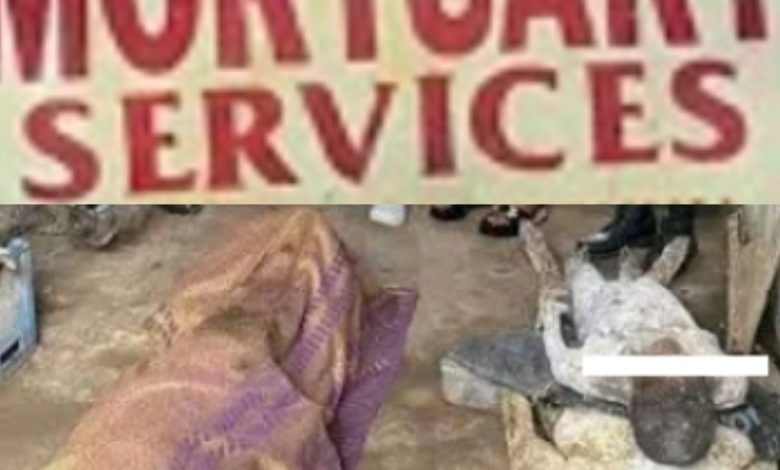
However, recent developments in Imo State have begun to raise serious concerns among residents, as the rapid increase in the establishment of mortuaries and related businesses continues to generate moral, cultural, and regulatory questions.
In recent years, mortuary services have increasingly been perceived as a lucrative venture, attracting a growing number of investors across different parts of the state.
While entrepreneurship remains vital for economic growth and development, the commercialization of death care services has created a sense of unease within many communities.
Residents are beginning to question whether the unchecked expansion of mortuaries aligns with societal values and the broader public interest.
Findings and observations by ThePressman Newspaper indicate a noticeable surge in mortuary establishments, particularly in areas such as Isiala Mbano.
This trend has coincided with widespread perceptions among local elders and community stakeholders that mortality rates, especially among individuals between the ages of 35 and 60, are on the rise.
Although these claims are largely anecdotal and not supported by verified data, they have nonetheless fueled suspicion and heightened public anxiety.
In addition, some community members have expressed concerns over possible unethical practices by certain operators, driven by the pursuit of profit.
While there is no concrete evidence to substantiate these allegations, they reflect a growing level of mistrust and underscore the urgent need for effective oversight, transparency, and public reassurance.
Similarly, the increasing visibility of coffin manufacturing and sales in parts of Mbaitoli Local Government Area has attracted criticism.
Coffins are now openly displayed in shops and along major roads, a practice many consider culturally insensitive given the solemn nature of death.
Traditionally, such items were handled with discretion and deep respect, in recognition of the gravity associated with human mortality.
In more developed societies, mortuary and funeral service operations are regulated through strict licensing procedures, zoning laws, and professional standards.
These frameworks ensure that such services are carried out with dignity, accountability, and sensitivity to public concerns.
In contrast, the situation in Imo State appears to lack comparable regulatory control, thereby allowing for uncoordinated growth in the sector.
Against this backdrop, there is a growing call for the Imo State House of Assembly, IMHA, to take decisive action by introducing policies that will regulate the establishment and operation of mortuaries and related businesses.
Rather than imposing an outright ban, stakeholders advocate for structured guidelines, including stringent licensing requirements, clearly defined location restrictions, and enforceable ethical standards.
Such measures would help ensure that mortuary services do not undermine societal values or erode public confidence.
It is also important to recall that, in earlier times, communities operated without formal mortuary services.
Families typically buried their loved ones shortly after death, with funeral ceremonies organized at a later date.
While modernization has transformed these practices, there remains a pressing need to strike a balance between progress and cultural sensitivity, as well as ethical responsibility.
Ultimately, this issue calls for a thoughtful and well coordinated response from policymakers.
By strengthening regulatory frameworks and actively engaging community voices, the government can address public concerns while preserving the dignity of both life and death in Imo State.
It is therefore proposed that the operation of mortuary services be restricted to a limited number of duly licensed individuals within designated locations or areas.
Such regulation would enhance oversight, uphold ethical standards, and prevent the indiscriminate proliferation of mortuary businesses across communities.
It is worth recalling that, in the past, an individual attempted to establish a mortuary in Irete, along the Owerri/Onitsha Expressway.
However, the people of Irete community collectively resisted the initiative, leading to the eventual abandonment of the project.
To this day, there is no mortuary within the entire Irete community.
This example highlights the power of collective community action in safeguarding cultural values and public sensibilities.
It serves as a model that many believe can be replicated in other communities across Imo State, alongside appropriate government regulation, to ensure that such sensitive businesses are properly managed and aligned with societal expectations.
By Dan Opara (Danjay),
Publisher, ThePressman Newspaper,
🌐 www.thepressman.com.ng
📞 07030811559.




