The election of a new Pope in the Catholic Church is a momentous and deeply spiritual event, marked by centuries-old traditions.
This sacred process, known as the papal conclave, takes place in the Sistine Chapel, where the College of Cardinals gathers in secrecy to select the next spiritual leader of the global Catholic community.
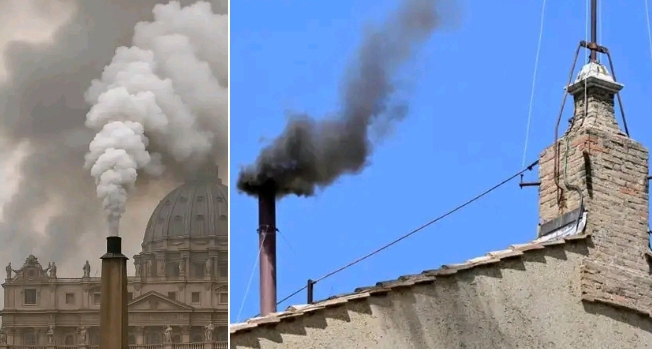
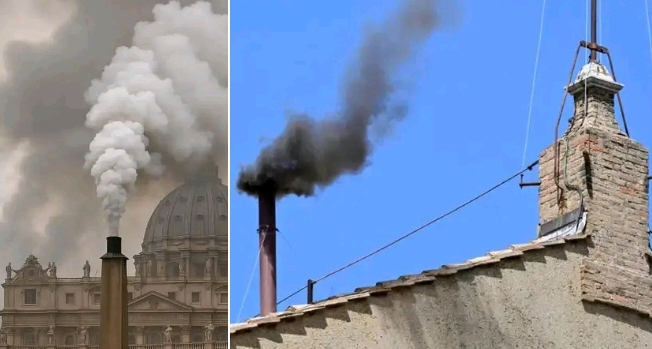
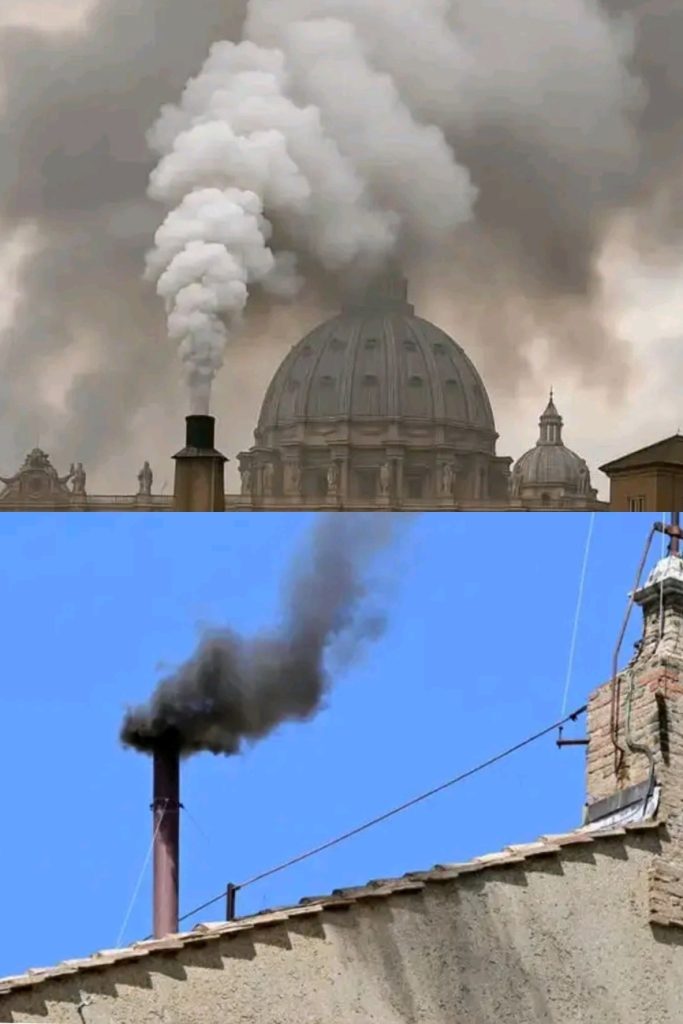
Following each round of voting, the ballots are burned in a specially prepared stove.
If no candidate secures the required two-thirds majority, a chemical is added to the fire to produce black smoke, which billows from the chapel’s chimney.
This smoke signals to the world that the conclave has not yet reached a decision.
When a new Pope is finally elected, the ballots are burned with a different chemical composition, resulting in white smoke.
This uplifting sight announces the joyful news that a new Pontiff has been chosen.
Shortly after the white smoke appears, the senior Cardinal Deacon emerges onto the balcony of St. Peter’s Basilica to declare the traditional Latin phrase: “Habemus Papam”—meaning “We have a Pope.”
He then reveals the name of the newly elected Pope, signifying the beginning of a new chapter in the Church’s history.
The duration of a papal conclave is not fixed. Cardinals under the age of 80 are eligible to participate and typically vote up to four times a day—two ballots in the morning and two in the afternoon.
The process continues until a candidate receives the necessary majority.
Historically, conclaves have varied in length. Some, like the 2013 conclave that elected Pope Francis, lasted just over 24 hours.
Others, particularly in the Middle Ages, extended for months or even years due to intense disagreements among the cardinals.
The symbolism of the black and white smoke remains a powerful visual representation of suspense and resolution, disappointment and joy, as the Church awaits the voice of divine guidance through the election of its new Shepherd.