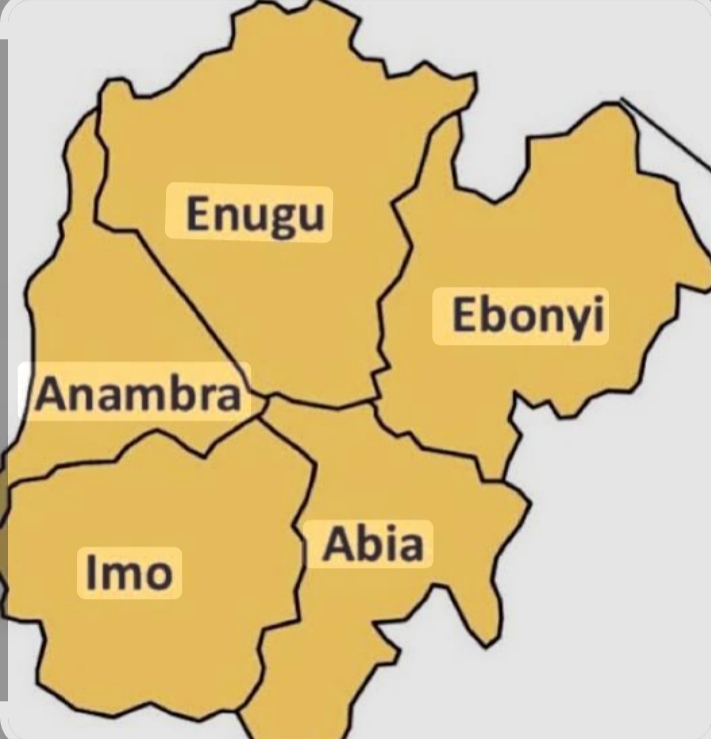
Underdevelopment in Igbo Land: South-East Governors Must Be Held Responsible, Says Political Analysts

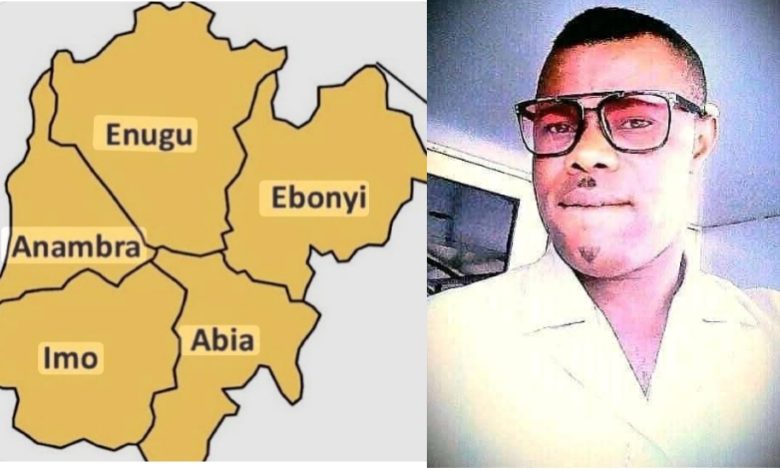
Some political analysts in Imo State of Nigeria, have expressed deep concern over the persistent underdevelopment in Igbo land, blaming it largely on what they described as the collective alleged failure of governors of the South-Eastern States (Enugu , Imo , Anambra, Abia and Ebonyi) to provide purposeful, coordinated, and people-driven leadership.
Speaking during a political discourse and interview session in Owerri, the city capital of Imo State, some of the analysts noted that the South-East, despite its vast human capital, natural resources, entrepreneurial strength, and rich cultural and economic potential, continues to trail behind other geopolitical zones in critical areas such as infrastructure development, industrialization, security, and youth empowerment.
According to those analysts, successive administrations in the region have prioritized personal political ambitions, elite interests, and short-term projects at the expense of long-term development planning.
They argued that the absence of continuity in governance, poor inter-state collaboration, and the abandonment of viable projects by successive governments have collectively stalled meaningful progress across the region.
One of the analysts stressed that the situation calls for urgent self-reflection and unity among South-East governors, insisting that they must put themselves together, come together, and genuinely put their heads together for the collective interest of the Igbo people.
He questioned why the governors have consistently failed to forge a strong and functional regional alliance capable of initiating and executing major infrastructural projects that transcend state boundaries.
The analysts particularly lamented the absence of a functional and interconnected railway network linking the five South-Eastern states, despite the region’s high commercial activities and strategic economic importance.
They argued that a well-coordinated regional railway system would not only ease transportation and reduce pressure on federal roads but also boost trade, enhance mobility, and significantly stimulate economic growth within the zone.
They further observed that while other regions of the country have successfully leveraged regional cooperation to attract federal presence and private investments, South-East governors have been unable to present a united front to negotiate and protect the collective interests of the region.
This, they said, has contributed to poor federal infrastructure in the South-East, including dilapidated highways, weak rail connectivity, and limited industrial and economic hubs.
The analysts also faulted the governors for failing to decisively address the worsening security challenges in the region, noting that insecurity has continued to scare away investors and force many businesses to relocate to safer environments.
According to them, the combination of insecurity and weak economic planning has deepened unemployment and compelled a growing number of youths to migrate to other parts of the country in search of better opportunities.
They called on the current crop of South-East governors to urgently rethink their governance strategies by embracing regional development frameworks, strengthening security architecture, investing in education, technology, and innovation, and deliberately promoting industrial growth across the zone.
They maintained that without decisive, coordinated, and united action, the vision of a prosperous, stable, and self-sustaining Igbo land would remain a mirage.
The analysts equally urged the electorate to take their civic responsibilities seriously by holding elected leaders accountable through constructive engagement and democratic processes.
They emphasized that sustainable development can only be achieved when leaders are compelled to prioritize the collective welfare of the people over personal, partisan, or sectional interests.
As national conversations on restructuring, regional integration, and economic development continue, the analysts concluded that the responsibility for transforming Igbo land rests squarely on the shoulders of those elected to govern the South-Eastern states, warning that history will ultimately judge them by their capacity to unite, collaborate, and deliver tangible development to the region.
Danjay ThePressman, 07030811559.