In today’s rapidly evolving media landscape, the shift from traditional analog methods to digital platforms has fundamentally changed how information is shared and consumed.
Social media has emerged as a powerful tool for communication, and anyone who claims to be a media personality must now be digitally adept, fluent in navigating the online space.
Just with your android phone, you have gone globally viral.
Unfortunately, this shift seems to be where the leadership in Imo State, particularly in the Ministry of Information, has fallen woefully behind.
Governor Hope Uzodimma’s administration, under the 3R (Reconstruction, Rehabilitation, and Recovery) program and the Shared Prosperity agenda, has faced numerous media attacks, especially on social media platforms within five years since it came into power as a government in Imo State of Nigeria.
Critics and political analysts, both within and outside Imo State, have used these platforms to challenge the government’s actions, creating a significant challenge for the administration.
Despite the government’s achievements, it struggles to manage its online image and counter these attacks effectively.
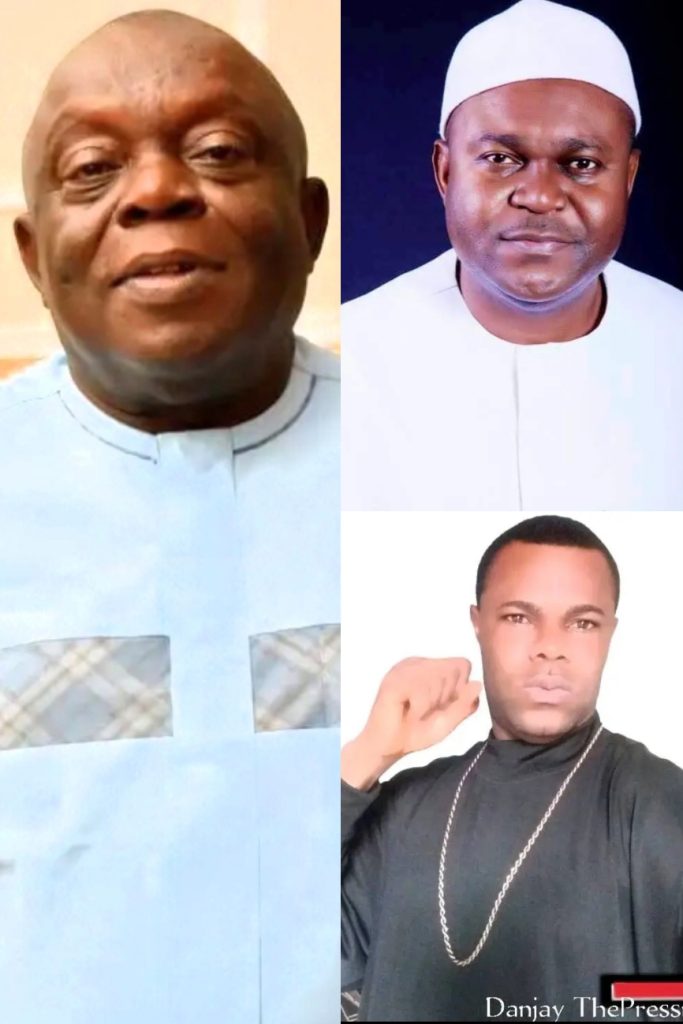
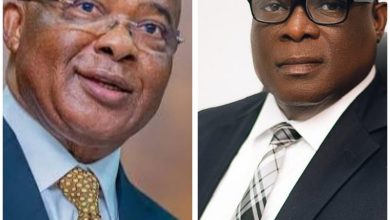
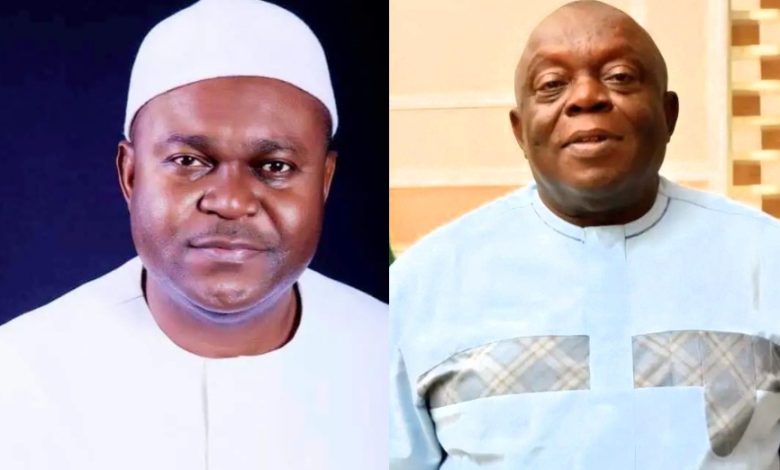
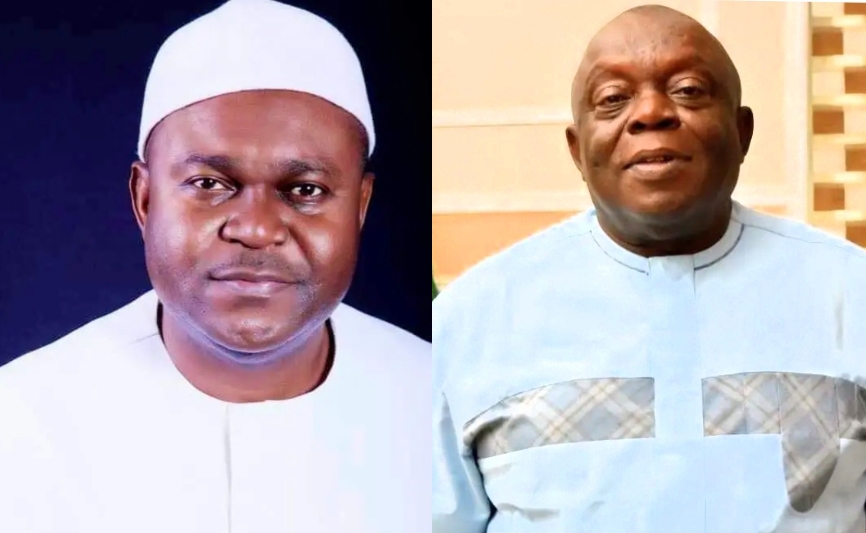
A key figure in this media opposition is Dr. Fabian Ihekweme, a former appointee in the Uzodimma administration who served as the Imo State Commissioner for Foreign Affairs.
Known as “Omu-The Ancient Seer,” Dr. Ihekweme has become a prominent critic of the government, using his digital platforms to challenge the allocation of public funds and the administration’s policies.
While his critiques are often seen as valid by some, many in Imo State question his leadership integrity.
Nevertheless, his growing digital presence has gained significant traction, further complicating the media landscape for the Imo State government.
During Omu’s tenure as the then Commissioner, Dr. Ihekweme organized a group of media handlers who worked to promote the administration’s activities, despite modest financial resources.
These media persons (professionals) were tasked with projecting the government’s initiatives and successes, yet their impact was limited by the government’s budget for media management.
Despite these constraints, it was an attempt to manage the state’s media narrative effectively.
However, the current Information Commissioner, Chief Declan Emelumba, has yet to make a significant impact in the digital media space, note that it is on record that he is an analog person.
While Chief Emelumba possesses formal qualifications and experience in traditional media, his lack of digital expertise has hindered the government’s ability to respond to growing online criticism.
In today’s fast-paced world, being able to engage quickly on platforms like Facebook, Twitter (X), Instagram, WhatsApp, and Telegram is crucial.
Unfortunately, a search of Emelumba’s presence on these platforms reveals an alarming absence, leaving the state vulnerable to the media offensive spearheaded by figures like Dr. Ihekweme.
For the Imo State government to effectively manage its media image and respond to the criticisms it faces, it is vital for the Information Commissioner to embrace the digital age.
Hiring social media handlers with expertise in digital communication is an immediate and necessary step.
Chief Emelumba, accustomed to traditional media, must expand his capacity by hiring digital media experts who can help manage the government’s online presence.
By placing these professionals on stipends, Emelumba could bridge the gap between traditional media and digital media, effectively countering negative portrayals and projecting the government’s achievements.
Without an active and engaged presence in the digital space, the government’s media narrative remains passive, allowing critics to dominate online discourse.
Dr. Ihekweme’s continued success in shaping public opinion is a direct result of the government’s failure to engage effectively in the digital realm.
A proactive, digitally-savvy approach could have easily countered his media offensive, ensuring the Uzodimma administration is seen as both competent and responsive.
The role of an Information Commissioner today extends far beyond traditional media engagements.
To succeed, it requires a deep understanding of digital platforms and the ability to engage with the public in real-time.
Chief Emelumba’s reluctance to embrace digital media has left a void, which critics have eagerly filled.
For the sake of the administration’s reputation and for the development of Imo State, it is imperative that the Information Commissioner steps up and embraces digital media as a tool for proactive communication and engagement.
The ongoing media war led by Dr. Ihekweme could have been avoided if the Imo State government had a more digitally competent Information Commissioner.
Emelumba’s failure to rise to the challenge has allowed his opponent to gain popularity and influence.
It is not too late for him to change course, but immediate action is needed.
If Chief Emelumba wants to protect the image of the Imo State government and ensure its continued success, he must prioritize digital media engagement and take control of the media narrative.
In conclusion, the digital age demands a new breed of media professionals who are not only skilled in traditional media but also well-versed in the fast-moving world of social media.
Governor Uzodimma must recognize the urgent need for digital transformation within his administration and appoint individuals who are adept at navigating both traditional and digital media platforms.
Only then can Imo State truly thrive in the modern media landscape.
As for leadership and governance in Imo State, Governor Hope Uzodimma has made significant strides in fulfilling his responsibilities.
However, like any administration, it is essential that his government receives support, particularly through the media, while also remaining open to constructive criticism.
A healthy democracy thrives on open discourse, and critical feedback helps guide and improve governance.
As a listening Governor, Senator Uzodimma must be receptive to both praise and criticism, understanding that this feedback is crucial for the growth and development of the state.
By listening to the concerns of the public and the media, he can make informed decisions that align with the needs of the people.
Creating a culture of openness and responsiveness will not only strengthen his administration but also build greater trust with the citizens of Imo State.
For more information, contact: Deacon Dan Opara, Journalist ThePressman Newspaper, Owerri, Imo State
Phone: +2347030811559.