

Culled By Dan Opara
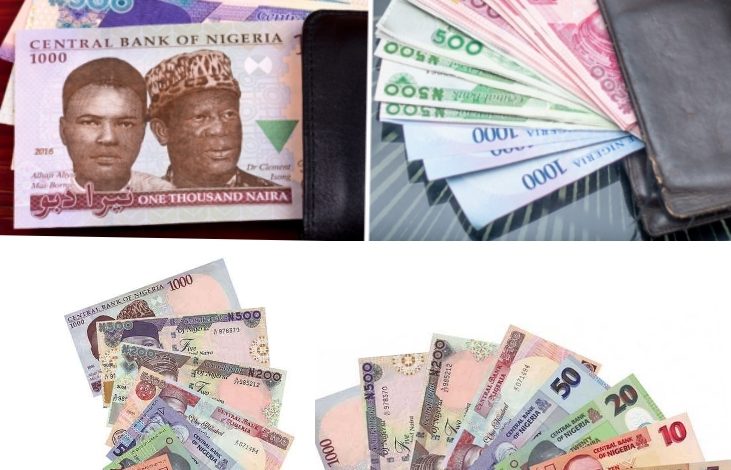
In Nigeria, ignorance of the law does not excuse any violation, especially when it comes to the abuse of banknotes. The Central Bank of Nigeria (CBN) has outlined specific practices that are considered illegal and can lead to penalties under Sections 20 and 21(5) of the CBN Act. Here are the nine practices that could land you in legal trouble if you engage in them:
- Spraying: Spraying banknotes at events or ceremonies, commonly seen at “owambe” parties, is a prohibited practice. This act contributes to the degradation and misuse of currency.
- Writing : Any form of writing, scribbling, or marking on the banknotes is strictly forbidden. It alters the original condition of the currency and diminishes its value.
- Stapling : Pinning or stapling banknotes is another practice that can lead to penalties. This damages the currency, affecting its longevity and usability.
- Tearing : Ripping or tearing banknotes into pieces is a serious offense, contributing to the mutilation of the nation’s legal tender.
- Dancing / Stamping / Defacing : Dancing on banknotes, stamping on them, or otherwise defacing them is strictly illegal. These actions disrespect the national currency and lead to significant wear and tear.
- Selling : Selling new banknotes at events or other venues is an unlawful act, indicating that individuals are profiteering from the country’s currency system.
- Mutilation : Cutting, damaging, or otherwise altering the shape and condition of banknotes is illegal. This practice contributes to the deterioration of the nation’s currency.
- Rejecting : Refusing to accept banknotes as legal tender during commercial transactions is also prohibited. It undermines the integrity of the nation’s monetary system.
- Money Bouquet : Arranging banknotes into a bouquet or other decorative form to present as a gift at social gatherings or ceremonies is against the law. This practice diminishes the currency’s longevity and contributes to its misuse.
The Clean Notes Policy implemented by the Central Bank of Nigeria aims to maintain the visual appeal and durability of the banknotes in circulation. This policy, designed to combat banknote abuse, is reflected on the official CBN website.
Recent Legal Consequences:
The judicial system in Nigeria has started taking stringent actions against those violating these practices. In February 2024, actress Oluwadara Omoseyi was sentenced to six months imprisonment for naira abuse.
Similarly, a Social Media influencer Idris Olanrewaju Okuneye, also known as “Bobrisky,” was sentenced to six months imprisonment on April 13, 2024, by Honourable Judge Abimbola Awogboro at the Federal High Court for similar offenses.
These cases exemplify the seriousness with which the judiciary is addressing naira abuse.
These legal consequences serve as a stern reminder that the Nigerian judiciary is committed to enforcing the law, and individuals must comply with the rules governing the treatment of banknotes.
Therefore, ignorance of these laws will not be accepted as an excuse.




