Charter of Equity, Where Is the Justice? Orlu Zone Has Had Its Share, Owerri Zone Seeks Governorship, Okigwe Zone Urged to Align for Unity Ahead of 2027

By Dan Opara (Danjay)
The question of equity, fairness and justice in the distribution of political power in Imo State has continued to generate public debate as political stakeholders and residents look towards the November 2027 governorship election.
At the centre of the discussion is the need to ensure a fair balance of political representation among the three senatorial zones of the state, Owerri, Okigwe and Orlu.
As the debate over the Charter of Equity intensifies, advocates of Owerri Zone’s governorship aspiration are asking a fundamental question, where is the justice in the rotation of political power when the three zones have had different lengths of time in office since Nigeria’s return to democratic governance in 1999?
A review of Imo State’s political history since 1999 shows that the state has had successive governors from Orlu, Okigwe and Owerri zones, although their periods in office have varied considerably.
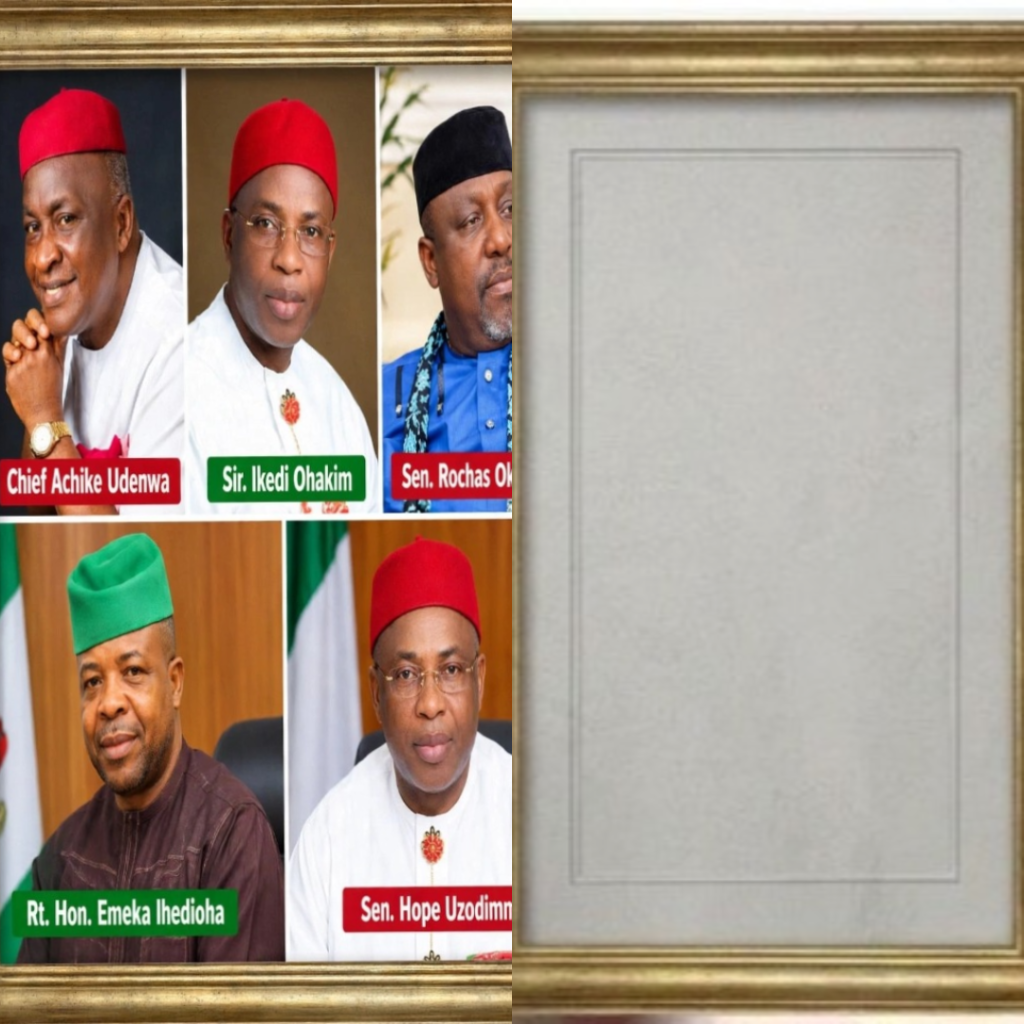
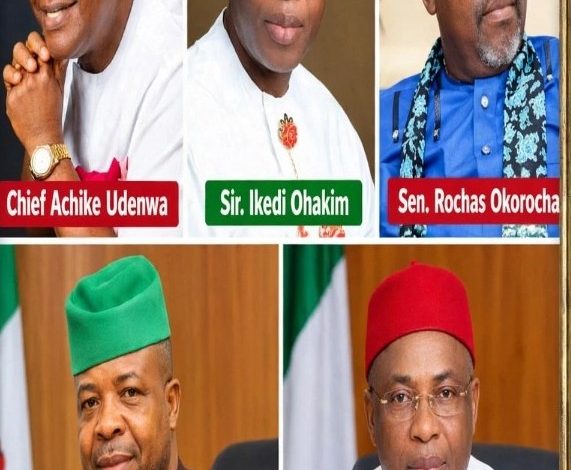
Chief Achike Udenwa, from Orlu Zone, governed Imo State from 1999 to 2007, completing eight years in office.
He was succeeded by Sir Ikedi Ohakim, from Okigwe Zone, who served as governor from 2007 to 2011, a period of four years.
Senator Rochas Okorocha, also from Orlu Zone, became governor in 2011 and remained in office until 2019, completing another eight year tenure for Orlu Zone. In 2019, Rt. Hon. Emeka Ihedioha, from Owerri Zone, assumed office as governor, but his administration lasted approximately seven months before he was removed from office in January 2020.
Senator Hope Uzodimma subsequently became governor in January 2020 and is serving his second term, which is scheduled to end in January 2028.
These political developments have continued to fuel discussions about equitable representation, political inclusion and the principles underlying the Charter of Equity.
Supporters of Owerri Zone’s aspiration argue that the zone deserves a meaningful opportunity to produce the next governor, particularly in view of the relatively short period its representative spent in office under the administration of Emeka Ihedioha.
For proponents of this position, the question of equity goes beyond the geographical rotation of the governorship.
They contend that fairness should also take into account the duration of each zone’s actual participation in the leadership of the state, while recognising the importance of democratic choice and the interests of all Imo people.
Against this backdrop, Okigwe Zone is being urged to align with Owerri Zone in advocating a fair and inclusive approach to the next governorship succession.
Advocates of the proposed alignment believe that cooperation between the two zones could promote mutual understanding, strengthen political relationships and encourage a broader consensus on the implementation of the Charter of Equity.
However, the call for alignment also underscores the need for constructive engagement with Orlu Zone and other political stakeholders.
Achieving lasting unity requires open dialogue, respect for differing opinions and a shared commitment to ensuring that no senatorial zone feels excluded from the political future of Imo State.
As the 2027 governorship election approaches, the debate raises a fundamental question, how can Imo State achieve lasting political unity if concerns over equitable participation in the state’s highest political office remain unresolved?
The answer, according to advocates of a more inclusive political arrangement, lies in consultation, mutual understanding, fairness and respect for the democratic process.
They maintain that the Charter of Equity should serve as a framework for promoting confidence among the three senatorial zones rather than a source of division.
For supporters of Owerri Zone’s governorship aspiration, the message remains clear, equity must translate into a meaningful opportunity to participate in the leadership of Imo State, while unity must remain central to the state’s political future.
Ultimately, the challenge before political leaders and stakeholders is to ensure that the conversation about the Charter of Equity produces a credible and broadly accepted understanding of fairness, one that recognises the aspirations of Owerri, Okigwe and Orlu zones while preserving the unity and democratic integrity of Imo State.
Ahead of the 2027 Imo State Guber Polls, Who Is Going To Be The Next Governor?