Nigeria’s presidential election tribunal ruled on Wednesday that Nigeria’s main opposition parties failed to prove claims of electoral malpractice against the governing All Progressives Congress (APC) in February’s disputed elections.
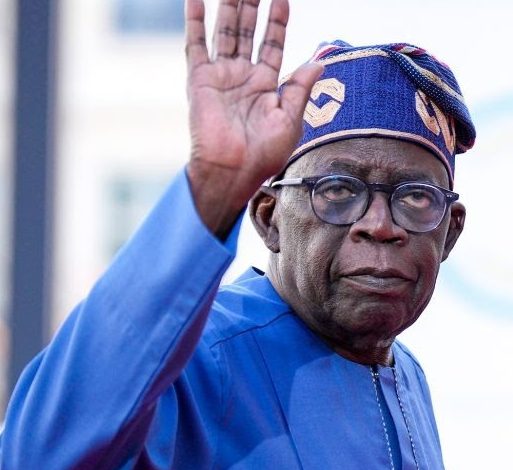
“This petition is hereby declared unmeritorious,” one of the judges said, as the tribunal rejected the opposition challenge to Bola Tinubu’s win in the presidential election.
The challenges came after one of the country’s most tightly fought elections, where former Lagos governor Tinubu won 37 percent of the vote, beating Atiku Abubakar of the People’s Democratic Party (PDP) and Peter Obi of the Labour Party Abubakar to secure the presidency of Africa’s most populous nation.
The court was also reading its judgement on a second opposition party petition, which is also expected to be dismissed. Filed by PDP candidate Abubakar, it lays out similar complaints against the February 25 election results.
No legal challenge to the outcome of a presidential election has succeeded in Nigeria, which returned to democracy in 1999 after three decades of almost uninterrupted military rule and has a history of electoral fraud.
Atiku and Obi can appeal to the country’s Supreme Court to strike down the tribunal’s ruling. Any appeal must be concluded within 60 days of the date of the tribunal judgement.
European observers had said in June that the elections were marred by problems including operational failures and a lack of transparency that reduced public trust in the process.
However, the elections stirred little sign of a groundswell of popular opposition, and Tinubu has been accepted by the international community as Nigeria’s legitimate leader. As the tribunal was giving its ruling, Tinubu was in India preparing to take part in the G20 summit.
While favourable to Tinubu, the tribunal’s ruling was unlikely to generate any particular euphoria or momentum for the president after an election marked by a record-low turnout of 29 percent.
In a nation of more than 200 million people, of whom 87 million were registered to vote, Tinubu garnered just 8.79 million votes, the fewest of any president since the return to democracy.
Tinubu inherited anaemic economic growth, high unemployment, the highest inflation rate in two decades, record debt, massive oil theft that has hit government revenue and widespread insecurity from predecessor Muhammadu Buhari.
He has launched a string of reforms, including the removal of a popular but costly petrol subsidy and of currency controls, but has run into resistance from labour unions, who organised a two-day general strike this week and are planning another.
Protesters march through major cities as the weeklong action starts, but businesses remain open in Lagos and elsewhere.
Tinubu inherited an economy riddled with huge debt from his predecessor, Buhari, whose protectionist policies spooked investors.
Defeated candidate Peter Obi pledges to legally challenge the results a day after Bola Ahmed Tinubu was declared winner.