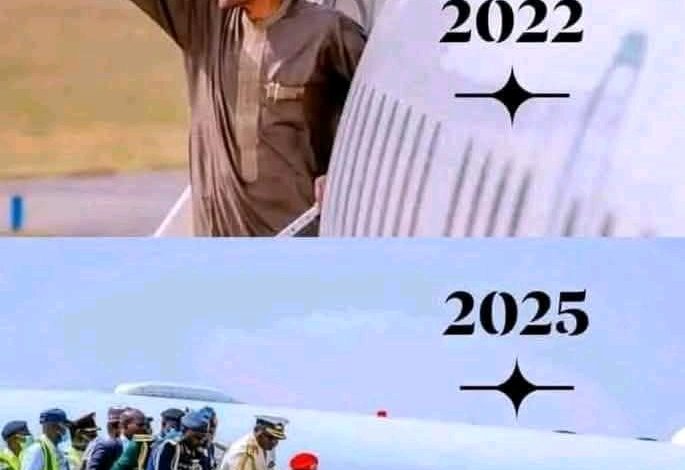
By Abdulakim Ayuba
As a student of political thought, I have long been intrigued by the nature of power—how it is acquired, how it is exercised, and ultimately, how it fades.
Among the many theories I’ve studied, none resonates more deeply than that of Niccolò Machiavelli.
His outlook is unflinching, sometimes harsh, but firmly grounded in truth: that power is seldom given freely—it is seized, sustained through calculated strategy, and often preserved more by fear than affection.
In contemporary Nigerian history, few leaders embody that raw Machiavellian resolve like Muhammadu Buhari.
Once a military general and Head of State between 1983 and 1985, Buhari re-emerged decades later—not with force, but through democratic means.
He contested the presidency four times: in 2003, 2007, and 2011, before finally securing victory in 2015.
In doing so, he etched his name into the annals of Nigerian history as the first to unseat an incumbent president through the ballot box.
He went on to serve two full terms—eight years in office. Through triumphs and criticisms alike, he remained a figure of resilience and unrelenting determination.
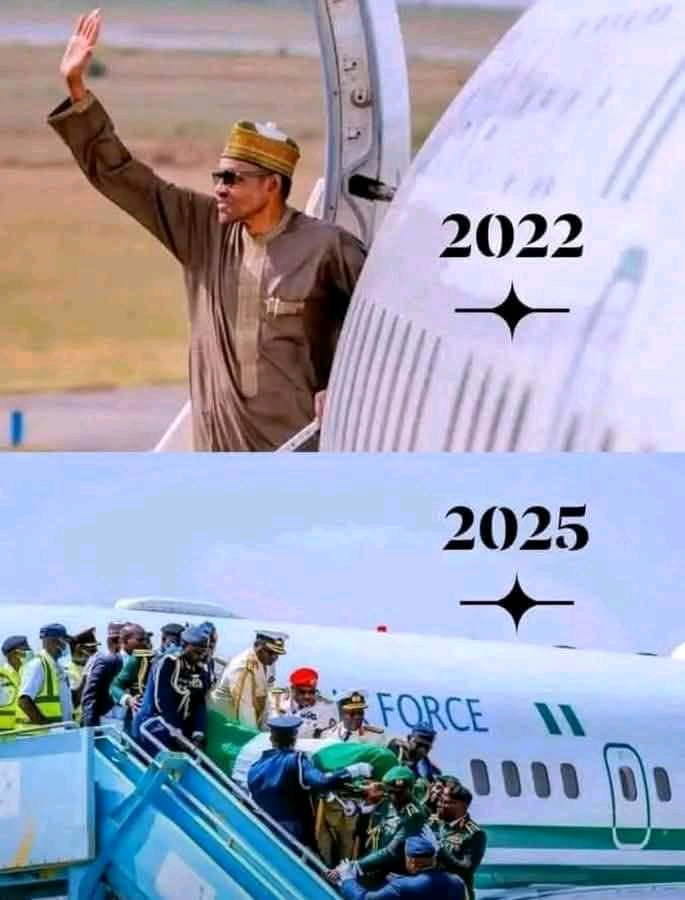
Yet, today, he lies lifeless—a solemn reminder that no matter how mighty or revered, power is never eternal.
It can elevate a man, cloak him in honor, and surround him with ceremony, but it cannot halt the steady march of time or the silence brought by death.
This, perhaps, is the ultimate lesson of power: it is transient. In the end, what remains is not the title you held, but the impact you left—the lives you touched, the country you shaped, and the narrative history will craft in your absence.
And most importantly, we are reminded that no leader, no matter how powerful, can satisfy all. There will always be applause from some and dissent from others.
Therefore, true leadership demands conviction. For in the grand scheme of time, it is not popularity that endures—but legacy.