You Are All Elected To Serve, Not To Punish The People: Gov. Hope Uzodimma Tells 27 LG Chairmen, 305 Councillors In Imo

By Dan Opara
The Executive Governor of Imo State, Senator Hope Uzodimma, has urged the 27 Local Government Chairmen, 305 Councillors, and appointees at the grassroots level to see their positions as platforms for selfless service rather than instruments of intimidation or oppression.
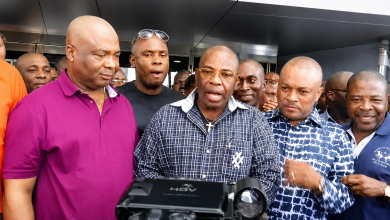
Governor Uzodimma gave the charge on Thursday, 14th August 2025, at Rockview Hotel, Owerri, while declaring open a three-day retreat for Local Government officials.
The retreat, themed “Public Sector Governance for Officials of Local Government in Imo State”, focused on “Enhancing Local Government Sustainable Development.”
Addressing the participants, the Governor stressed that holding public office is a call to responsibility, accountability, and genuine service to the people. “Those elected by the people are to represent them, not punish them. They are to improve the welfare of those who entrusted them with their mandate,” he stated.
He directed Chairmen to maintain regular engagement with stakeholders in their respective LGAs to ensure inclusive governance. Councillors, he said, must work closely with Ward leaders, Traditional Rulers, and Town Union Presidents to promptly address community needs. He further warned that security agencies have been instructed to monitor officials who fail to fulfill their responsibilities.
Governor Uzodimma emphasized that all public service must align with the All Progressives Congress (APC) manifesto.
He noted that the establishment of the Progressive Institute was aimed at providing a policy think tank for effective governance.
The Director-General of the Progressive Institute, Mr. Lanre Adebayo, commended the Governor for fulfilling his promise to train Local Government officials, describing Owerri as both peaceful and hospitable. Similarly, the Commissioner for Local Government and Chieftaincy Affairs, Hon. Mrs. Rubby Emele, lauded Uzodimma for investing not only in infrastructure but also in human capital development.
The retreat drew the participation of top government functionaries, traditional rulers, and critical stakeholders from across the state.