Understanding the True Meaning of “Anch”… Its Cultural Context in Igbo Spirituality

The term “Anch” is frequently misinterpreted or misrepresented, especially within conversations surrounding African spirituality, cultural identity, and religious symbolism.
Often mistaken as an indigenous Igbo concept, “Anch” has no direct roots in Igbo language, spirituality, or cosmology.
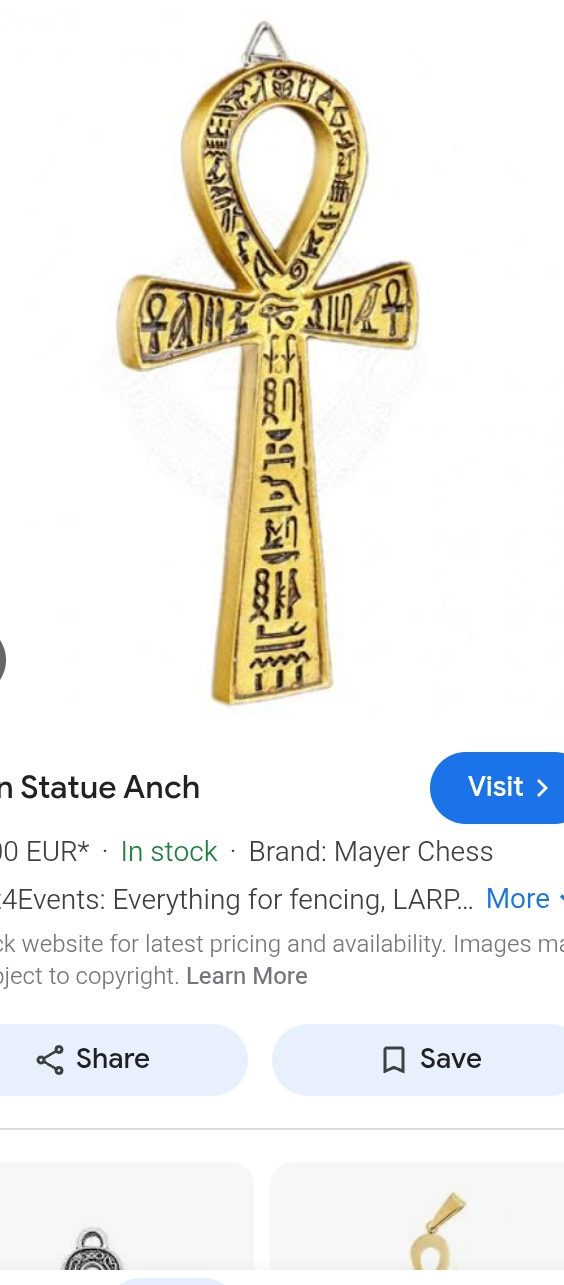
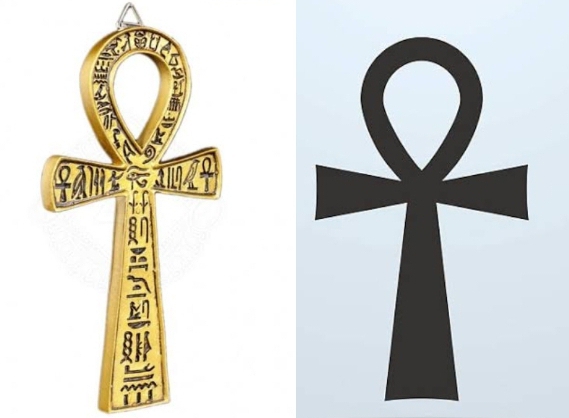
In truth, “Anch” is a stylized or phonetic adaptation of the Ankh (☥), the iconic ancient Egyptian symbol shaped like a cross with a loop on top.
In Egyptian culture, the Ankh symbolized life, divine energy, and eternity.
It was often seen in the hands of deities, representing the breath of life offered to the Pharaohs.
Today, the Ankh has gained global recognition and is commonly used in art, jewelry, and Afrocentric spiritual movements as a symbol of immortality and protection.
In contrast, Igbo cosmology is anchored in a rich and distinct spiritual system.
The Igbo believe in Chukwu or Chiukwu as the Supreme Creator.
Each individual is said to have a Chi—a personal spiritual guardian that shapes destiny and continues beyond physical death.
This belief in spiritual continuity is echoed through other core concepts such as:
Ndụ (life): viewed as sacred and cyclic.
Mmụọ (spirit): the non-material essence of existence.
Ịlọ Ụwa (reincarnation): the soul’s return to earthly life after death.
Ala Mmụọ (spirit world): where the dead reside before possible reincarnation.
These beliefs form the core of Ọdịnala, the Igbo traditional religion.
Although the Igbo had no equivalent to the Ankh symbol, their worldview equally embraced eternal life and spiritual essence through symbols such as:
Ofor: a sacred staff symbolizing justice and ancestral authority.
Ọjị (kola nut): used in rituals as a representation of life and communion.
Uli and Nsibidi: indigenous visual scripts used to express sacred meanings.
In modern times, especially within Christian communities, terms like “Anchor”—representing hope, faith, or Christ—have become popular.
Occasionally, “Anchor” is abbreviated or creatively written as “Anch” during youth programs, church events, or on promotional materials.
This stylization, however, is a Christian innovation, not an Igbo cultural or spiritual expression.
Moreover, some may encounter the term “Anchi” used as a local nickname or surname, but it carries no standardized meaning within Igbo religious or linguistic tradition.
Quick Reference Table:-
Term Igbo Cultural Relevance Actual Meaning or Use
Anch ❌ None Christian stylization of “Anchor” in modern contexts
Ankh ☥ ❌ Not Igbo Ancient Egyptian symbol representing life and immortality
Anchor ❌ Not Igbo Christian metaphor for hope, faith, and spiritual security
Comparative Insights
Concept Ancient Egypt (Ankh) Igbo Equivalent
Symbol ☥ No direct symbolic match
Meaning Life, eternity, divinity Ndụ, Chi, Mmụọ
Belief Soul continuity, afterlife Ịlọ Ụwa, Ala Mmụọ, Ọdịnala
Conclusion
The Ankh (☥) is not an Igbo concept, and the modern use of “Anch” is often a misrepresentation or stylized expression rooted in Christianity or Afrocentric identity movements.
However, despite the lack of direct symbolic overlap, traditional Igbo spirituality shares a profound philosophical alignment with the Ankh’s core ideas—eternal life, spiritual essence, and the soul’s continuity.
Understanding these distinctions allows for better appreciation of Igbo cosmology while respecting the unique heritage of other African civilizations, like that of ancient Egypt.
Cultural awareness is key in separating indigenous beliefs from symbolic borrowings or modern reinterpretations.