Immediate Past Imo Commissioner For Information, Declan Emelumba: A Shape Knife That Severed Uzodimma’s Govt With Journalists

By Prince Maduba Chukwudi (OluImo)
In the turbulent landscape of Imo State’s governance under Governor Hope Uzodinma, a significant source of discord emerged-the strained relationship between the government and journalists.
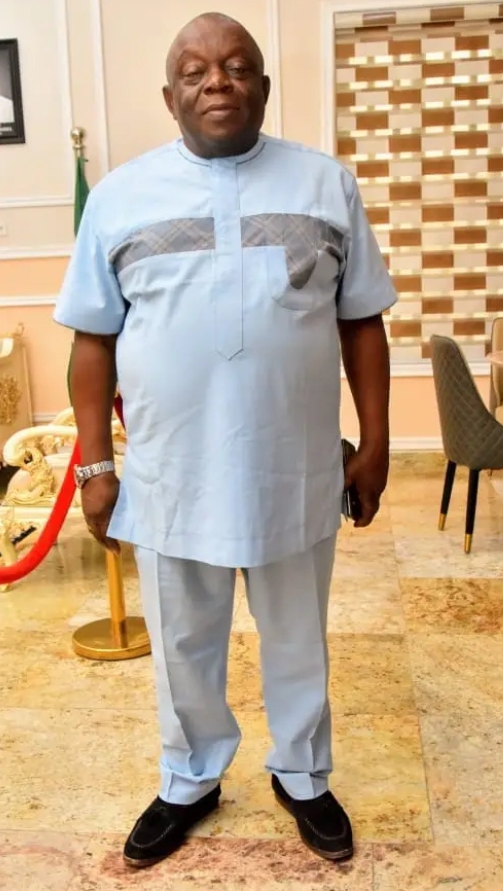
At the heart of this discord stood Chief Declan Emelumba, the information commissioner whose tenure was marked by incompetence and controversy.
Over the course of the last four years, Emelumba’s actions and inactions fueled a protracted battle, leaving journalists and the government at loggerheads.
His role, ostensibly to bridge communication between the government and the media, instead became a source of friction.
Incompetence seemed to shadow him, as evidenced by incoherent statements and ambiguous responses to critical issues within the state.
One of the major contributing factors to the rift was Emelumba’s apparent disregard for the established hierarchy within the governor’s communication team.
Despite the presence of a Chief Press Secretary, Emelumba frequently stepped into the limelight, issuing press statements on behalf of the governor.
This not only undermined the designated spokesperson’s role but also added to the confusion surrounding official communications.
The consequences of Emelumba’s actions were severe. Journalists in Imo State, frustrated by the lack of clarity and the seemingly arbitrary nature of government communications, collectively blacklisted the Uzodinma administration.
This self-imposed exile from coverage cast a shadow over the government’s ability to effectively communicate its policies, achievements, and overall governance.
As the curtains fall on Uzodinma’s tenure, it becomes imperative to reflect on the lessons learned from this period of strained government-journalist relations.
The role of an information commissioner is pivotal, requiring a deep understanding of the nuances involved and a commitment to transparent and coherent communication.
In the future, it is hoped that the affliction that befell the relationship between the government and journalists in Imo State does not rise for a second time.
In conclusion, the narrative of Declan Emelumba as a sharp knife severing the ties between the government and journalists in Imo State serves as a cautionary tale.
It underscores the critical importance of appointing capable individuals to key communication roles, ensuring that the flow of information between the government and the media remains clear, transparent, and conducive to a healthy democracy.