

By Dan Opara
In August 2020, Mali’s military orchestrated a coup that ousted President Ibrahim Boubacar Keita, marking a significant turning point in West Africa.
The upheaval set off a chain reaction of political instability in the region, which has since seen numerous other coup attempts and government overthrows.
The Mali Coup and Its Ripple Effects
On August 18, 2020, a group of Malian soldiers seized control of a military base in Kati, near Bamako, arrested key leaders, and took control of government institutions.
The coup was driven by widespread dissatisfaction with Keita’s administration, which was criticized for corruption and its failure to effectively combat an insurgency in the north involving groups affiliated with al-Qaeda and ISIS.
The coup was initially met with jubilation from many Malians, who hoped it would bring an end to the country’s crisis.
The coup ended a period of relative stability in Mali and triggered a broader destabilization across West Africa.
According to Dan Eizenga of the Africa Center for Strategic Studies, the Mali coup marked a pivotal shift, weakening the norm of civilian rule that had been strengthening across Africa.
This has led to a series of military takeovers reminiscent of the 1980s and 1990s, when newly independent African nations experienced frequent coups.
Following Mali’s coup, West and Central Africa have seen at least 10 additional coup attempts. Notable events include:
Guinea (September 24, 2021) Captain Mamady Doumbouya led a coup against President Alpha Conde. Conde’s controversial bid for a third term and brutal crackdown on protests fueled public anger. Doumbouya’s regime has promised a transition to civilian rule by December 2024.
Burkina Faso (January 24, 2022, and September 30, 2022) President Roch Marc Christian Kabore was overthrown by Lieutenant Colonel Paul-Henri Damiba amid rising insecurity and dissatisfaction. Damiba himself was ousted later that year by Captain Ibrahim Traore as violence and instability continued to escalate.
Niger (July 26, 2023) President Mohamed Bazoum was detained by General Abdourahamane Tchiani, leading to a coup amid a deteriorating security situation. The regional bloc ECOWAS responded with sanctions and a potential military intervention, though tensions eased without conflict.
Gabon (August 30, 2023) Brigadier General Brice Oligui Nguema led a coup against President Ali Bongo Ondimba, ending a 56-year family rule. Nguema was installed as the head of a transitional government, with elections planned for August 2025.
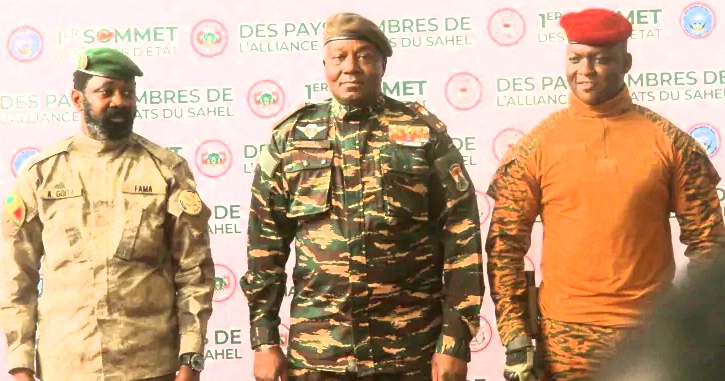
The spate of coups has shifted regional alliances and power structures. Many of the new military governments have distanced themselves from France, citing neocolonialism, and have sought closer ties with Russia.
This shift has seen the withdrawal of French troops from the Sahel and an increased presence of Russian mercenaries, particularly from the Wagner Group.
The security situation has worsened, with rising violence and human rights abuses reported.
The regional organization ECOWAS has faced criticism for its handling of the crises.
The bloc’s inconsistent responses and lack of immediate and severe repercussions for the coup leaders are seen as contributing factors to the ongoing instability.
Critics argue that ECOWAS failed to deter subsequent coups and did not adequately address the underlying issues driving the unrest.
The coup in Mali has had far-reaching effects on West Africa, setting off a period of instability marked by successive coups and regional realignments.
The shift towards anti-Western sentiment and the increasing influence of Russia underscore a broader transformation in the region’s political landscape.
The ongoing challenges highlight the need for a more effective and unified response from regional and international actors.




