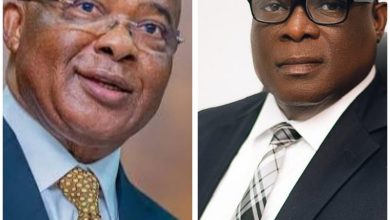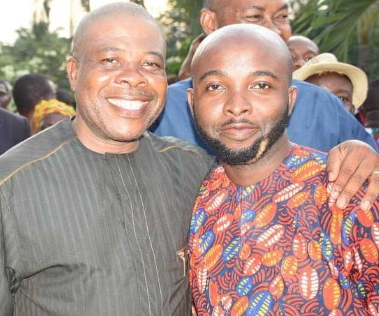
Ahead of the 2027 Imo Guber Polls, Prince Chinonso Frank Aniche, a former aide to ex-Imo Governor Rt. Hon. Emeka Ihedioha, has made explosive claims about why Ihedioha must not be allowed to govern Imo State again.
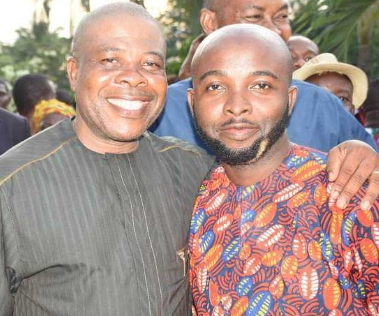
According to Aniche, Ihedioha’s governance style was “absolutely unsuitable” for the state, and the people should consider themselves fortunate that his tenure was cut short.
Aniche argues that Ihedioha’s intense focus on accountability and due process undermined traditional governance practices.
He lamented, “My boss had this frustrating habit of insisting that public officials adhere to the law.” Ihedioha prioritized transparency, demanding audits of public funds and fair contract awards.
This commitment to ethical governance reportedly stifled opportunities for budget padding and other corrupt practices that many had come to expect.
The former aide further criticized Ihedioha for his ambitious road construction initiatives.
Instead of concentrating on a few high-profile projects, Ihedioha undertook repairs across multiple local governments, focusing on durable roads with proper drainage.
Aniche questioned, “What was he thinking, trying to eliminate the notorious potholes that had become a norm?”
He suggested that a true leader would allow some roads to remain in disrepair, serving as reminders of ongoing work rather than striving for tangible improvements.
Additionally, Aniche took issue with Ihedioha’s approach to civil service, specifically his commitment to timely payment of salaries and pensions.
“Imagine a governor insisting that workers receive their wages on time!” he exclaimed. Ihedioha’s determination to clear the backlog of unpaid pensions left by previous administrations was described as unacceptable and contrary to the established order.
Ihedioha’s vision for a modern Imo was also a point of contention. His aspirations for urban renewal, waste management improvements, and transforming Owerri into a cleaner, more livable city were labeled as dangerously progressive.
Aniche argued that a leader should resist such modernization efforts, maintaining the status quo rather than striving for advancement.
Another controversial aspect of Ihedioha’s governance was his open-door policy. He frequently engaged with traditional rulers, community leaders, and ordinary citizens, believing that governance should be inclusive.
Aniche criticized this approach, claiming, “Can you imagine a governor who actually listens to the people?”
He suggested that a more effective leader would avoid public input and make unilateral decisions from behind closed doors.
Ultimately, Aniche contended that Ihedioha’s desire to disrupt the status quo and bring genuine transformation to Imo State made him ill-suited for leadership.
He argued that the state needs leaders who adhere to traditional practices rather than those who aim to uplift the lives of citizens.
In stark contrast to Aniche’s assertions, it is evident that Ihedioha’s brief time in office exemplified a model of governance centered on accountability, progress, and the welfare of the populace.
While some may critique his methods, the truth remains that Imo State would benefit from a leader unafraid to challenge established norms and envision a brighter future for its people.