By Dan Opara
“To err is human, and to forgive is divine.”
This timeless adage finds renewed significance in the evolving political landscape of Imo State under the leadership of Governor Hope Uzodimma.
Unlike many politicians who hold onto past conflicts, Governor Uzodimma has continuously demonstrated an extraordinary capacity for forgiveness, distinguishing himself as a leader with a magnanimous heart and a deep commitment to reconciliation.
Despite facing betrayals and allegations of misconduct from some of his closest allies, the governor has chosen the noble path of tolerance, patience, and unwavering dedication to his Shared Prosperity vision for Imo State.
His leadership style reflects not just authority but also the ability to forgive, reconcile, and reintegrate those who may have erred.
It is no longer news that Governor Uzodimma, at different times, ordered the arrest and detention of several of his top aides due to allegations of misconduct, corruption, and abuse of office.
Some of the prominent figures affected include:
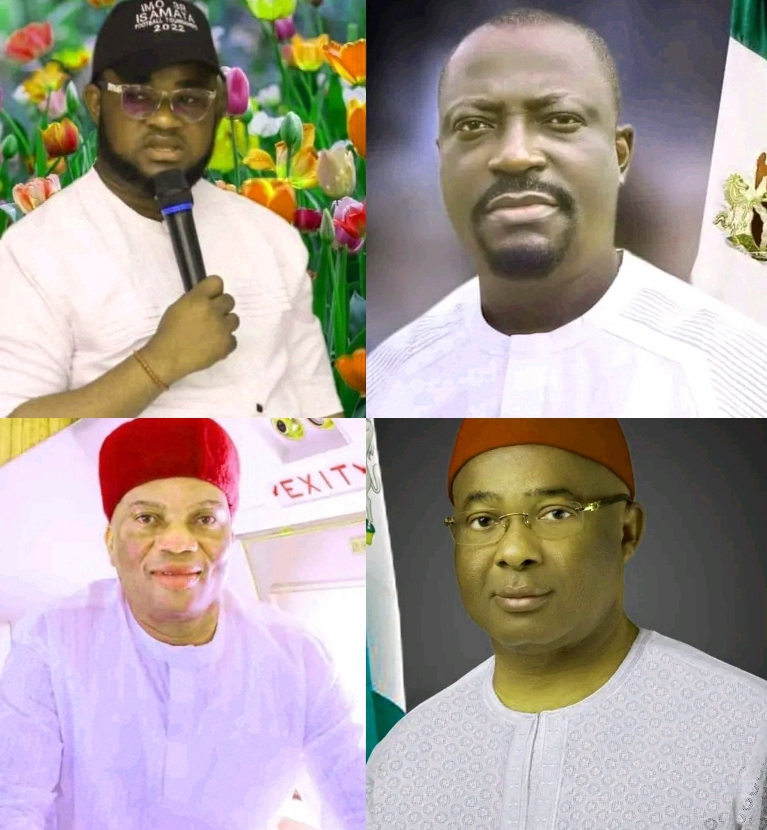
Nze Chinasa Nwaneri – Former Special Adviser on Special Duties
Noble Atulegwu Abiaso – Former Commissioner for Lands
Dr. Fabian Ihekweme – Former Commissioner for Foreign Affairs
Emmanuel Ezeanochie – Former Chairman of ISAMATA
Other key aides accused of financial improprieties and unethical practices
For months, these individuals underwent police investigations and legal scrutiny.
Their arrests sent shockwaves across the political landscape of Imo State, serving as a stern warning against abuse of office.
The governor’s firm stance on accountability reinforced his administration’s commitment to integrity and good governance.
In a surprising yet commendable move, Governor Uzodimma has extended an olive branch to some of these individuals, granting them not just their freedom but also a chance at political rehabilitation.
This act of forgiveness has sparked both praise and debate across various political circles.
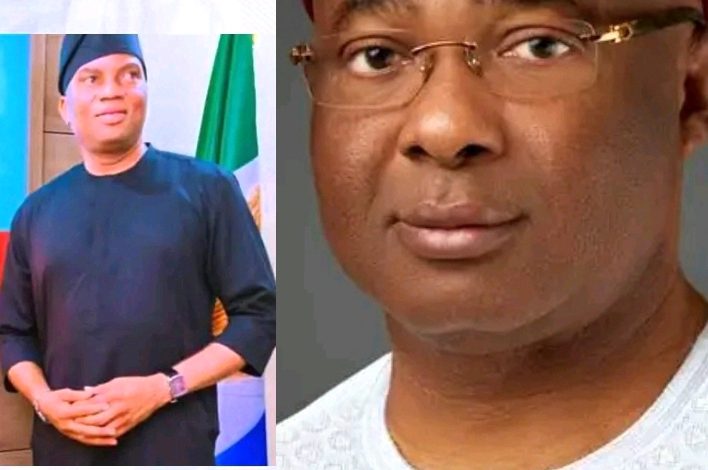
The most notable example of this gesture is the reappointment of Nze Chinasa Nwaneri as the Special Adviser on Monitoring and Compliance.
While this move has been celebrated by many as a sign of reconciliation, it has also raised questions about selective forgiveness.
If Nwaneri—who was once at the center of controversy—has been pardoned and given another opportunity to serve, then fairness demands that Noble Atulegwu Abiaso, Dr. Fabian Ihekweme, Emmanuel Ezeanochie, and others should also be considered for reinstatement.
True forgiveness should be holistic, not selective.
These individuals, despite their past challenges, may still have valuable contributions to make toward the development of Imo State.
If the governor genuinely believes in second chances, then his gesture of goodwill should be extended to all, ensuring that no one is left behind in this wave of political reconciliation.
While critics argue that reappointing these individuals might weaken the fight against corruption, others believe that Governor Uzodimma’s leadership style is centered on reform rather than exclusion.
If their alleged offenses were not severe enough to warrant permanent political exile, then they should be given the opportunity to redeem themselves.
Political appointments should be based on competence, loyalty, and a genuine willingness to serve, rather than past mistakes alone.
A person who has been corrected and given another opportunity often becomes more committed to proving their worth and avoiding previous errors.
Governor Hope Uzodimma has set a remarkable precedent for forgiveness and political reconciliation in Imo State.
However, for this reconciliation to be truly meaningful, it must be all-encompassing.
Those who were once allies but fell out of favor should also be allowed to contribute once again to the administration’s vision of Shared Prosperity.
By extending his forgiveness and political reintegration to all, Governor Uzodimma will further strengthen his political team and promote a spirit of inclusiveness, which is essential for Imo State’s continued progress.
A divided house cannot stand, but a reconciled and united government can achieve great things.
If the governor can forgive one, he should forgive all by offering them appointments within his administration.
This will reinforce his leadership’s commitment to unity, reconciliation, and inclusive governance—fostering collective progress for the benefit of Imo State and its people.
In the spirit of true leadership and fairness, Governor Uzodimma should extend his grace and mercy to all who have faltered.
Tomorrow remains uncertain, but today, the power of forgiveness and unity can shape a brighter future for Imo State.
It is on record that the trio committed the same political infractions, yet you have selectively chosen to pardon one.
As the Chief Security Officer and Executive Governor of Imo State, you hold the power and authority to grant forgiveness and offer empowerment to whomever you choose.
If Nze Chinaza Nwaneri is deemed worthy of pardon and reappointment, then justice demands the same consideration for Noble Atulegwu Abiaso, Emmanuel Ezeanochie, Fabian Ihekweme, and others implicated in similar allegations of misappropriation, misconduct, and corruption under the Shared Prosperity Administration.
Let fairness and equity guide your decisions in governance.