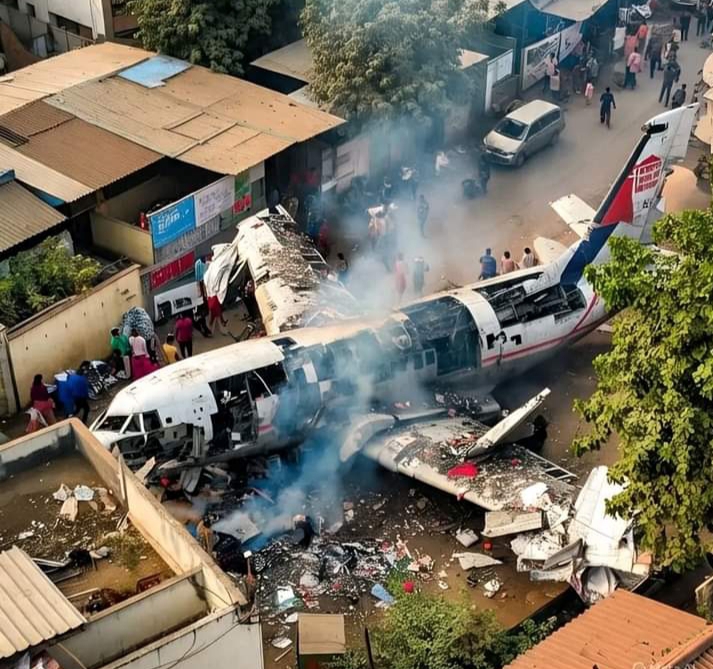
June 12-Air India Boeing 787 Tragedy:Engine Failure, Human Error, Maintenance Lapses Suspected

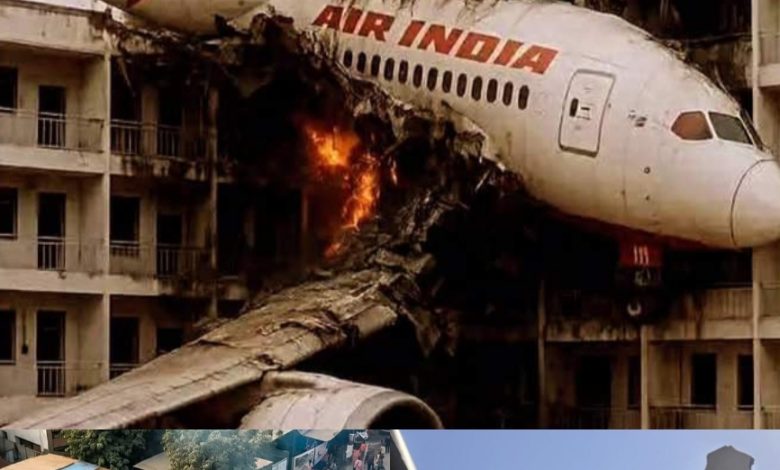
The recent crash of Air India Flight 171, operated by a Boeing 787-8 Dreamliner, has sent shockwaves throughout the global aviation industry.
Preliminary findings suggest that a combination of mechanical failure, pilot error, and maintenance oversight may have contributed to the catastrophic event that claimed over 260 lives.
India’s Aircraft Accident Investigation Bureau (AAIB), in collaboration with the U.S. National Transportation Safety Board (NTSB), the UK Air Accidents Investigation Branch (AAIB), Boeing, and GE Aviation, has recovered the aircraft’s black boxes.
These include the Flight Data Recorder (FDR) and the Cockpit Voice Recorder (CVR), which are now undergoing detailed forensic analysis to piece together the sequence of events that led to the deadly crash.
Initial reports indicate a significant loss of engine thrust during the climb-out phase, shortly after takeoff from Ahmedabad’s Sardar Vallabhbhai Patel International Airport on June 12, 2025.
Experts suggest the failure may have occurred in both engines or under asymmetric conditions, severely compromising the aircraft’s ability to gain altitude or maintain aerodynamic stability.
Further compounding the issue, video evidence points to a misconfiguration of critical flight systems. Sources indicate that the aircraft’s flaps may have been retracted prematurely, while the landing gear was still extended.
This abnormal configuration would result in decreased lift and increased drag—potentially leading to a sudden aerodynamic stall.
A critical cockpit error is also under review. Investigators are probing whether the first officer may have inadvertently pulled the flap lever instead of the landing gear lever—a rare but potentially fatal mistake, particularly during takeoff.
Aviation analysts emphasize that such human errors, though uncommon, can have tragic consequences in high-pressure flight scenarios.
Another angle being explored involves possible electrical system malfunctions or fuel contamination.
The only known survivor, British national Vishwash Kumar Ramesh, seated in 11A, reported that cabin lights flickered moments before the crash—a detail now forming part of the broader investigation.
In response to mounting safety concerns, the Directorate General of Civil Aviation (DGCA) has ordered immediate safety audits and inspections across all Boeing 787 aircraft in Air India’s fleet.
This urgent directive highlights growing unease about the airline’s adherence to maintenance protocols and operational safety standards.
As of now, investigators have not pinpointed a single definitive cause, but believe the tragedy was the result of multiple overlapping failures—technical, human, and procedural.
A preliminary report is expected in the coming weeks, which is anticipated to offer a more comprehensive understanding of the causes and suggest concrete safety reforms.
On June 12, 2025, Air India Flight 171 departed from Ahmedabad en route to London Gatwick, carrying 230 passengers and 12 crew members.
Tragically, just 30 seconds after takeoff, the aircraft crashed into a densely populated residential area and student hostel, killing all 241 onboard and at least 24 people on the ground.
Miraculously, one passenger survived with minor injuries.
Images from the crash site reveal the burnt-out tail section of the Dreamliner embedded in the upper floors of a building—highlighting the ferocity of the impact. Scorched debris litters the area, as emergency response teams and fire crews worked tirelessly amidst the chaos, as seen in coverage by Reuters and CBS.
The joint investigation led by India’s AAIB continues, with a focus on:
Engine thrust performance and potential mechanical faults
Mismanagement of flight control systems (flaps and gear)
Cockpit procedure errors and possible crew miscommunication
Electrical failures or fuel quality issues
Air India’s aircraft maintenance and inspection records
Until the preliminary report is released, global aviation authorities and stakeholders remain on high alert.
The outcome of this investigation will likely reshape safety procedures and reinforce the need for heightened vigilance in both aircraft operations and airline oversight.
Written By Danjay ThePressman.