WACOL Organises Training Aimed At Strengthening Response To Violence Against Women, Girls…Promotes Health Rights In Imo, Nigeria

By Dan Opara
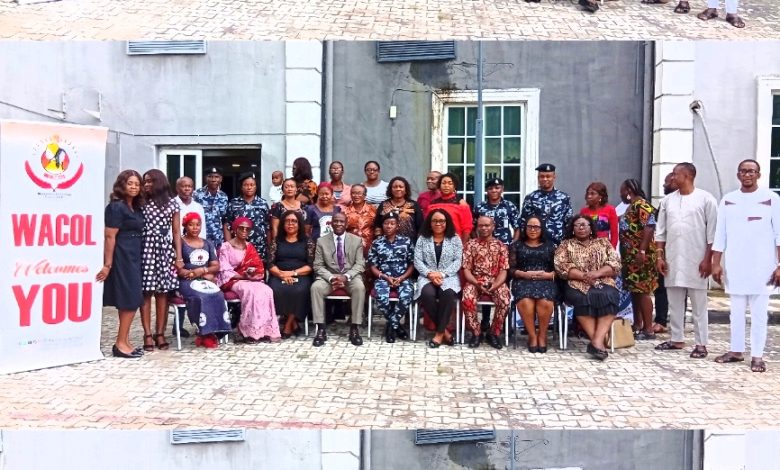
It was a successful gathering of intellectuals, policymakers, and advocates as the WomenAid Collective (WACOL) organised a one-day capacity-building workshop on October 10, 2025, in Owerri, Imo State.
The training aimed to strengthen the response of government officials and Ministries, Departments, and Agencies (MDAs) to Violence Against Women and Girls (VAWG) while promoting their sexual and reproductive health rights.
Participants included officers from the Nigeria Police Force, the Nigeria Security and Civil Defence Corps (NSCDC), and representatives from key ministries such as Justice, Health, Education, Women Affairs, and Social Welfare, among others.
The workshop sought to foster collaboration among stakeholders for a more coordinated, effective, and survivor-centered response to VAWG in Imo State.
Violence Against Women and Girls, VAWG, remains a critical social and public health issue in Nigeria.
Many women continue to experience domestic violence, sexual assault, early and forced marriage, female genital mutilation, and emotional abuse.
Unfortunately, numerous survivors are unable to report or seek justice due to fear, stigma, and limited institutional support.
The workshop commenced with the arrival and registration of participants coordinated by Ms. Stella Igwe, followed by a welcome session and introductions led by Mr. Emmanuel Ubajekwe.
Participants shared their experiences, expectations, and commitments toward tackling gender-based violence (GBV).
A key paper was presented by Dr. Chigoziri, who offered an in-depth analysis of the various forms of violence faced by women and girls, including physical, sexual, psychological, and economic abuse.
She identified harmful cultural practices, gender inequality, and societal silence as major contributors to these injustices.
Dr. Chigoziri further emphasized that certain harmful beliefs, such as early marriage or the notion that men have the right to discipline their wives physically, persist in some communities, making it difficult to protect women and enforce their rights.
She also highlighted the serious public health implications of GBV, including trauma, mental health challenges, and increased risks of infections such as HIV and other sexually transmitted diseases.
She urged participants to challenge these harmful norms, support survivors with compassion, and leverage their institutional roles to improve response mechanisms.
Using national statistics, she illustrated the alarming prevalence of GBV and the urgent need for stronger preventive and response systems.
Legal officers from the Ministry of Justice facilitated a session on prosecuting cases of violence against women and girls.
They underscored the importance of proper evidence gathering, effective collaboration between the police and social workers, and respectful handling of survivors throughout the legal process.
They also identified challenges such as delayed justice, inadequate legal aid, and limited awareness of the Violence Against Persons Prohibition (VAPP) Act.
In another engaging session, Dr. Emmanuel Osuji guided participants through group exercises involving real-life case studies.
The teams worked together to design appropriate response strategies for different abuse scenarios, emphasizing the importance of inter-agency cooperation among police, health personnel, legal officers, and social welfare workers.
The discussions revealed that no single agency can tackle GBV alone. Participants agreed on the need to strengthen referral systems to ensure survivors receive immediate medical care, legal aid, counseling, and shelter.
They also stressed the importance of public awareness campaigns to change harmful attitudes and reduce stigma surrounding gender-based violence.
At the close of the workshop, each participating ministry and agency developed a short-term action plan, which included establishing gender desks in offices, conducting school and community sensitization programs, training additional staff on gender issues, and improving case documentation and reporting.
WACOL reaffirmed its commitment to partnering with government institutions to safeguard the rights of women and girls.
The organization urged participants to diligently implement their action plans and remain active in the collective effort to eliminate gender-based violence in Imo State.
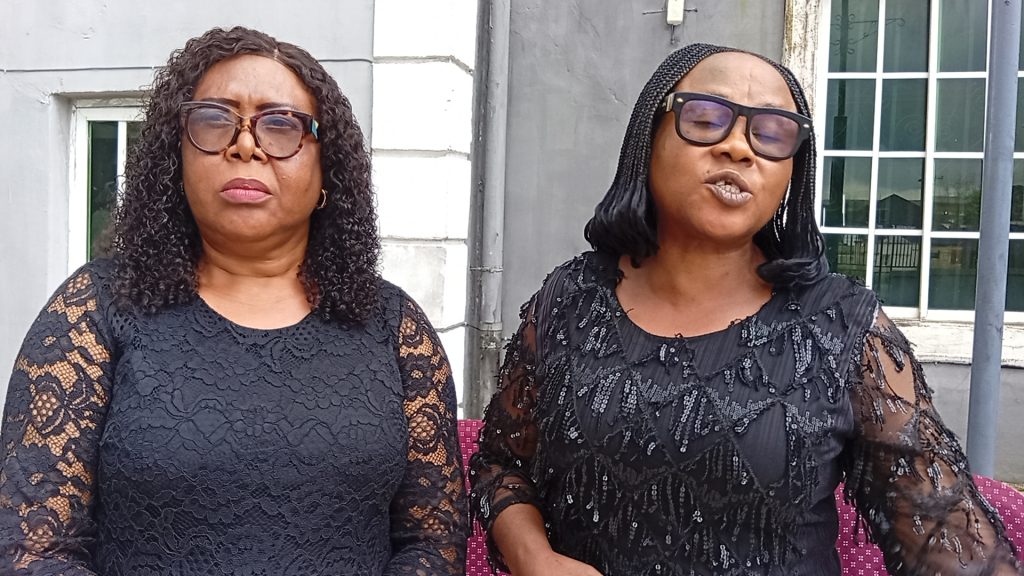
In a media chat, Barr.Mrs. Phil Obiageli Amaefule, Chairperson of the Federation of International Female Lawyers (FIDA), Imo State Chapter, lauded the workshop as an impactful and empowering initiative.
She described it as an eye-opener that has equipped participants with the legal knowledge necessary to advocate for the effective implementation of existing laws.
According to Mrs. Amaefule, “The law must be strengthened so that perpetrators are duly punished when found guilty;
“Legal officers should be adequately funded to avoid compromise, and law enforcement agencies must ensure thorough and unbiased investigations.
“Without proper investigation, prosecutors cannot succeed in court.”
She also commended WACOL for its thoughtful initiative and unwavering commitment to justice and equality.
In a separate interview, Barr. Mrs. Immaculata Ifenyinwa Amadi, Director of Public Prosecutions (DPP), Imo State, described the event as “a robust gathering of intellectuals and like-minded professionals championing the cause of justice for women and girls.”
Mrs.Immaculata, praised the collaborative approach that brought together legal experts, law enforcement officers, and health professionals to address the multifaceted challenges of GBV.
Barr. Amadi also appreciated Prof. Joy Ezeilo, Founder and President of WACOL, whom she described as a courageous woman and visionary advocate for women’s rights.
She commended Prof. Ezeilo’s consistency and dedication in promoting gender equality and protecting women and girls across Nigeria.
In conclusion, the WACOL training in Imo State served as a vital platform for knowledge-sharing, collaboration, and renewed commitment toward ending violence against women and girls.
It was indeed a successful convergence of intellectuals united by a common vision, to make Imo State a safer, fairer, and more just society for all women and girls.