Uganda:Re-Election of Gen.Moses Ali at 86 Rekindles Debate on Africa’s Need for Younger Leadership

By Dan Opara
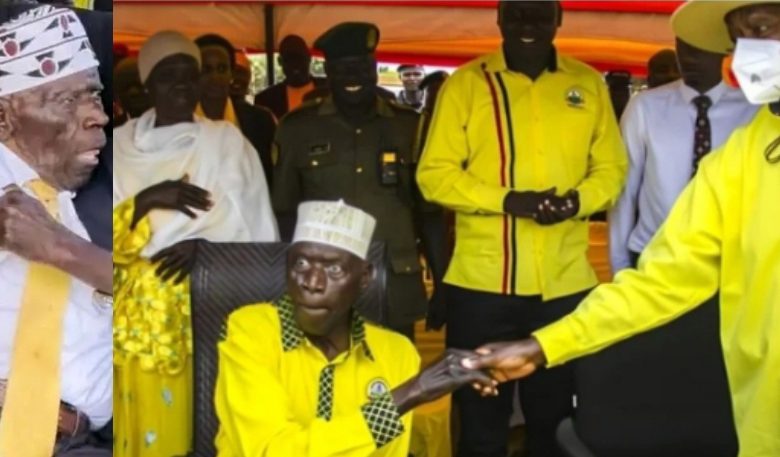
The recent re-election of General Moses Ali, an 86-year-old Ugandan statesman, has once again stirred conversations across Africa about the urgent need for generational renewal in political leadership.
While Gen.Ali remains a respected lawyer, politician, and retired military officer with over five decades of public service, his continued presence in frontline politics highlights a broader continental trend where elderly leaders dominate positions of power.
Born on April 5, 1939, in Adjumani District, Gen. Ali has had an illustrious career in law, governance, and the military.
A loyal member of the ruling National Resistance Movement (NRM), he currently serves as Uganda’s Second Deputy Prime Minister and Deputy Leader of Government Business in Parliament.
Over the years, he has held major central government positions, including First Deputy Prime Minister (2016–2021) and Third Deputy Prime Minister (2011–2016).
Despite his advanced age, Gen. Ali secured yet another mandate in the 2026 general elections, returning as Member of Parliament for the Adjumani West/East Moyo Constituency, a seat he has occupied since 2011.
His victory underscores his deep-rooted influence in the West Nile region but also reflects a voter mindset that continues to prioritize familiar, longstanding figures over fresh, younger alternatives.
Gen. Ali’s background as a retired Major General, dating back to the era of President Idi Amin and later his integration into President Yoweri Museveni’s political structure, further cements him as a symbol of continuity in Ugandan politics.
However, across Africa, voices are growing louder with calls for a shift toward youthful, dynamic leadership capable of understanding modern socio-economic realities.
Critics argue that while experienced statesmen like Gen. Ali have contributed immensely, Africa’s democratic and developmental future requires leaders who can bring new energy, digital-age thinking, and innovative solutions to address contemporary challenges.
The re-election of octogenarian leaders serves as a reminder that many African electorates still hesitate to embrace young professionals, technocrats, and visionary minds.
Analysts and civil society groups are therefore urging citizens across the continent to rethink their voting patterns and prioritize generational renewal, arguing that the future belongs to the youth and must be shaped by them.
Gen.Moses Ali’s victory, while a testament to his personal influence and legacy, has reignited the debate on whether Africa is ready to entrust governance to younger leaders, or whether the cycle of recycling aged politicians will continue to slow down the continent’s progress.