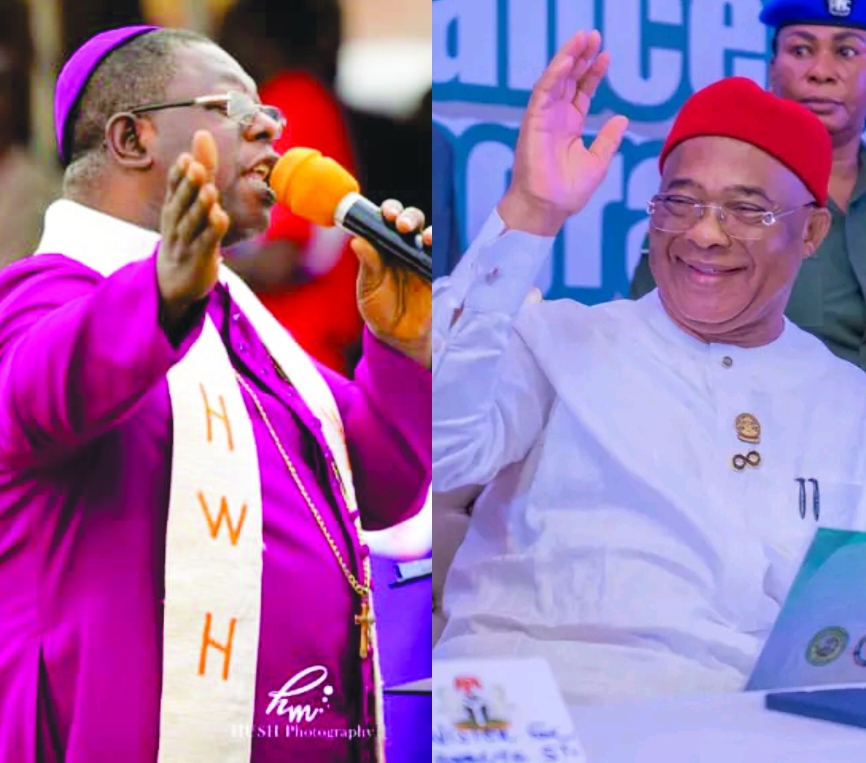
A Prophet’s Fury: Bishop Athan Azubuike Mobilizes 1000 Priests for Protest, Warns of “Catastrophe” If Gov Hope Uzodimma Ignores Divine Call to Senate

The hallowed grounds of faith and the charged corridors of power in Imo State have been irrevocably shaken by a pronouncement that echoes with the thunder of prophecy and the raw emotion of a shepherd fiercely protective of his flock.
Bishop Professor Athan Azubuike JP, a towering figure of spiritual authority and a clergy deeply revered across Igboland, has issued a stark, unyielding ultimatum to Governor Hope Uzodimma.
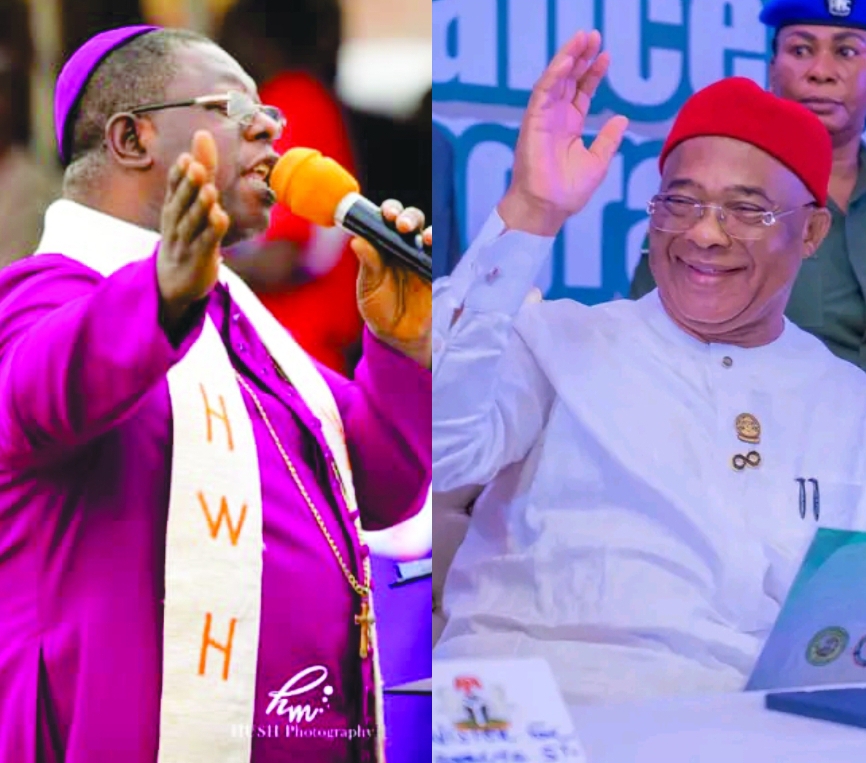
If the governor fails to heed what the Bishop terms a “divine mandate” to reclaim the Imo West Senatorial seat, the spiritual leader has vowed to lead a colossal protest of over one thousand Christian priests from Imo State, warning of “political catastrophic tendencies” that will befall the region.
His emotional appeal was rooted in a deep love for his people and a burning frustration with what he perceives as a consistent underrepresentation and marginalization of Ndigbo in Nigeria’s political structure.
He cited the current political alignment, where the South-South has secured the Senate Presidency, as a clear indicator that Ndigbo must pragmatically strategize to secure their own position of influence.
For Bishop Azubuike, Governor Uzodimma, with his demonstrable leadership in Imo, his national acceptability, and his strong political standing, is the divinely appointed instrument to achieve this.
Bishop Azubuike’s voice, usually a source of calm spiritual guidance, rang with an impassioned urgency that left no room for ambiguity.
Addressing a concerned public and the media, he laid bare the gravity of the moment, framing Governor Uzodimma’s political future not merely as a personal ambition, but as a pivotal juncture for the collective destiny of Ndigbo.
The Bishop’s plea, repeated and amplified, is for Uzodimma to reclaim the Imo West Senatorial seat a move he insists is divinely ordained to secure a powerful voice for the Igbo people in the Nigerian Senate.
“I have prayed, I have advised, I have spoken with the clarity of divine revelation,” Bishop Azubuike declared, his voice resonating with the profound weight of his spiritual calling.
“But if our governor, entrusted with the welfare of Imo and the voice of Ndigbo, chooses to turn a deaf ear to this urgent call, then I shall be compelled to make our voices heard in the streets.
Over a thousand priests of Imo State, united in spirit and purpose, will rise in protest!”
The sheer scale of this proposed demonstration, involving a significant portion of the state’s Christian clergy, underscores the profound spiritual and moral significance Bishop Azubuike attaches to this matter.
It signifies that this is not just about political maneuvering; it is about perceived divine direction and the imperative of Igbo representation.
The Bishop’s warning of “political catastrophic tendencies” was delivered with a chilling solemnity.
He painted a grim picture of a future where Ndigbo, despite their demographic and intellectual might, remain politically marginalized, their aspirations stifled, and their contributions overlooked, all due to a failure to strategically position their champions at the highest echelons of power.
“To refuse this divine mandate,” he thundered, his gaze piercing, “is to invite political disaster, to surrender our voice, and to consign our people to the fringes of national relevance.
The consequences of such a refusal will be catastrophic.
“Governor Uzodimma,” Bishop Azubuike implored, his voice laced with the pain of past Igbo struggles, “you have the capacity, you have the national recognition, and I believe, you have the divine anointing for this task.
Reclaim your senatorial seat! It is the stepping stone, the ordained path that will enable you to champion the cause of Ndigbo, to give us a formidable voice in the Red Chamber, and to perhaps even ascend to the pinnacle of Senate Presidency.”
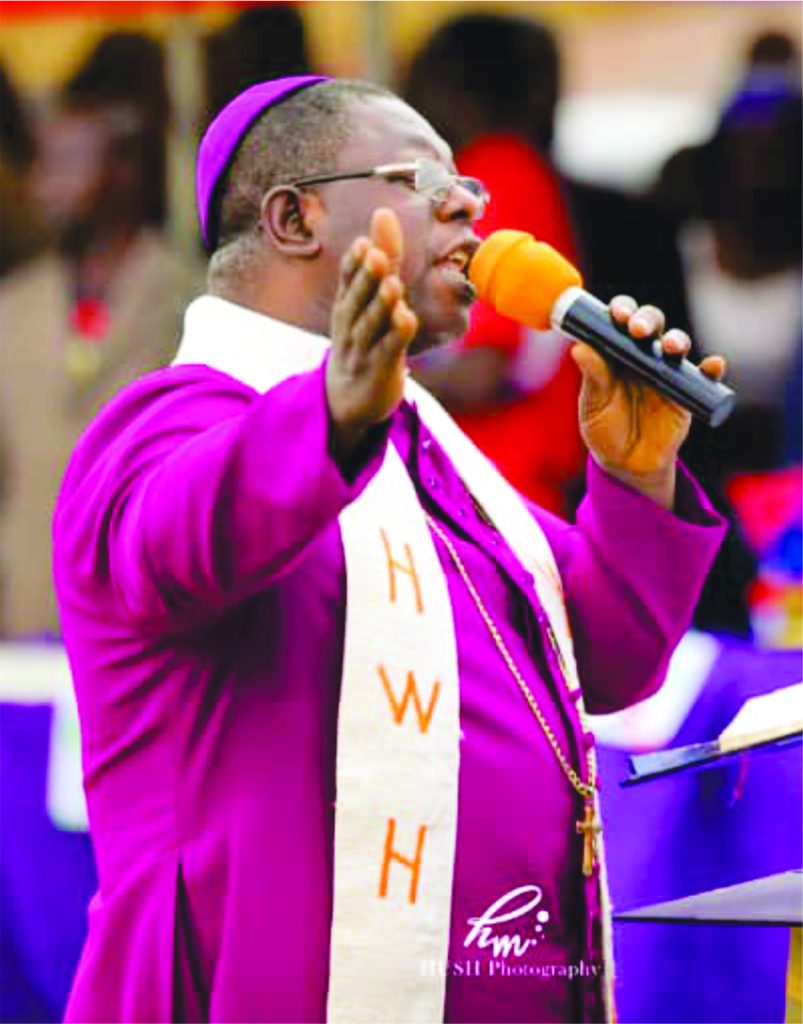
The Bishop sees Uzodimma’s current tenure as governor as a preparatory phase, a crucible designed to hone his skills and build his national profile for a larger role that serves the collective Igbo interest.
The Bishop’s impassioned rhetoric was a testament to his unwavering belief that this moment is divinely orchestrated.
He spoke of years of enduring criticism and personal attacks for his early support of Governor Uzodimma, for proclaiming him a “silent achiever” and a governor with a “divine mandate.”
He recounted the painful experience of being ostracized and ridiculed for his faith in Uzodimma’s potential, only to witness the governor’s tangible achievements now silencing his detractors.
This personal vindication, he explained, fuels his conviction that Uzodimma is indeed on a path of destiny, a path that now requires a strategic repositioning on the national stage.
The threat of protest by over a thousand Christian priests is a profound statement of spiritual backing.
It signifies that this is not merely a secular political maneuver, but a cause infused with spiritual significance.
It implies that the clergy sees this as a matter of divine will, a spiritual battle for the rightful place and voice of Ndigbo in the Nigerian federation.
The emotional intensity behind this threat arises from a deep-seated fear of political oblivion and a fervent desire to see the Igbo people take their rightful place of honor and influence.
Bishop Azubuike’s intervention is a powerful reminder of the potent intersection of faith and politics in Nigeria.
He calls upon Governor Uzodimma to rise above any personal ambitions or perceived limitations, and to embrace the historical responsibility that, in the Bishop’s view, has been divinely placed upon him.
The choice, as presented by the Bishop, is stark: heed the divine mandate and lead Ndigbo towards a future of political significance, or risk the prophesied “political catastrophe” born from a refusal to listen to the voice of destiny.
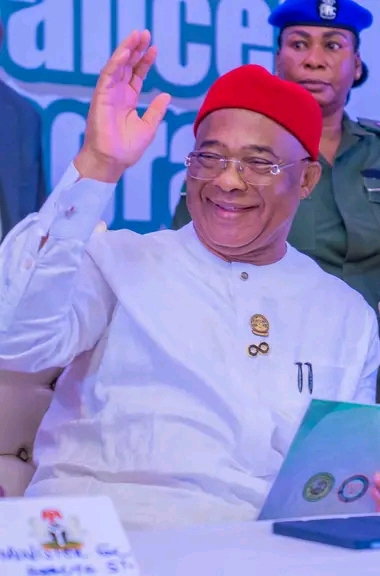
The emotional ,weight of this ultimatum hangs heavy, demanding a response that will shape the political trajectory of Imo State and the broader Igbo nation.
This statement reflects Bishop Prof. Athan Azubuike JP’s public pronouncements and threats of protest, as reported by local media and conveyed in his addresses to journalists in Owerri, Imo State, 28th of April 2026.
The figure of “over 1000” priests is used as per the prompt.
This highlights the Bishop’s warning of dire political and spiritual consequences for ignoring the perceived divine mandate, directly quoting his concern about “political catastrophic tendencies.”
This articulates Bishop Azubuike’s central plea for Governor Uzodimma to reclaim the Imo West (Orlu Zone) Senatorial seat, emphasizing its strategic importance for Igbo representation and potential for Senate Presidency.